
What is the Difference between Drip Irrigation And Sprinkler Systems? Explained!
Are you trying to choose the best way to water your garden or crops but feel stuck between drip irrigation and sprinkler systems? You’re not alone.
Both methods save water and help plants grow, but they work very differently. Knowing the key differences can save you time, money, and frustration. You’ll discover exactly how drip irrigation and sprinkler systems operate, their unique benefits, and which one suits your needs best.
Keep reading—you’re about to make smarter watering choices that will boost your garden’s health and your peace of mind.
Drip Irrigation Basics
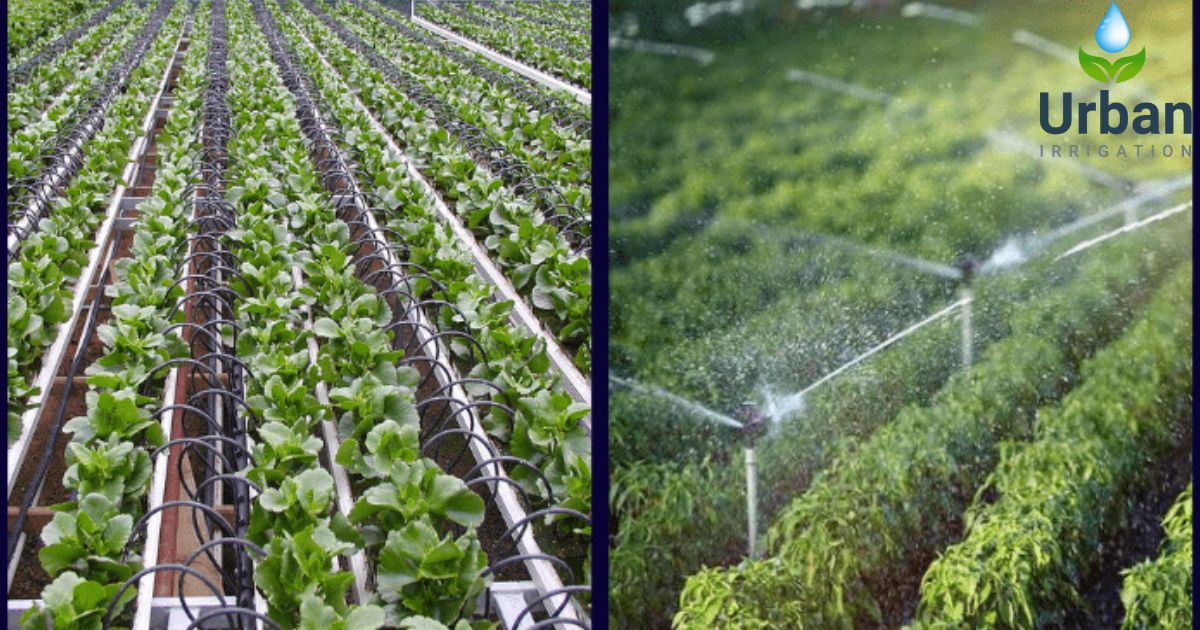
Drip irrigation is a watering method that delivers water slowly. It sends water directly to the roots of plants through tubes or pipes. This system helps plants get water without waste. It uses less water than many other methods. It is good for gardens and farms with many plants close together.
How Drip Irrigation Works
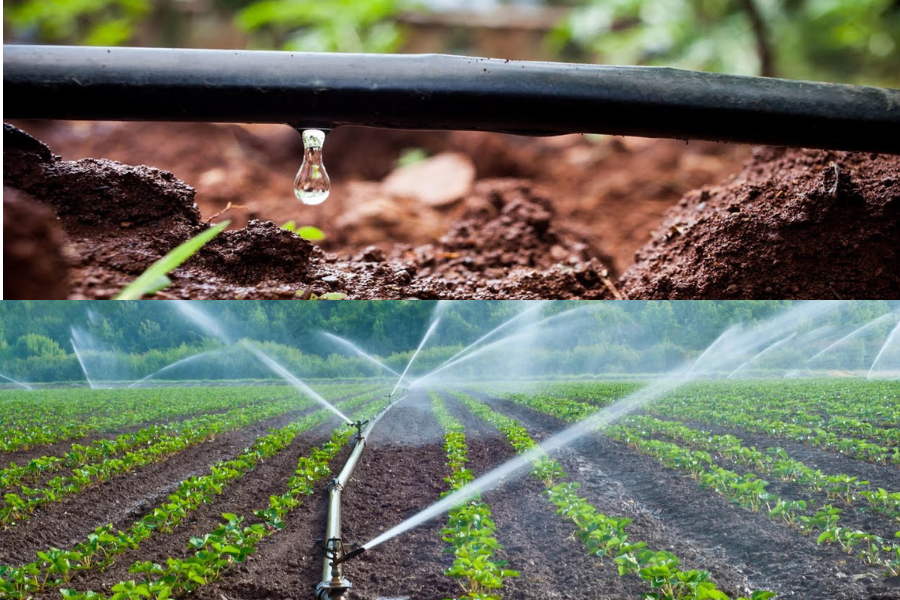
Water flows through small tubes with tiny holes. These holes release water drop by drop. This keeps the soil around plants moist. The water does not spread much, so it saves water. Plants get water right where they need it.
Advantages Of Drip Irrigation
- Uses less water than sprinklers or flood irrigation.
- Reduces weed growth because water only reaches plant roots.
- Prevents soil erosion by avoiding water runoff.
- Good for uneven land as water is delivered evenly.
- Improves plant health by giving steady moisture.
Common Uses Of Drip Irrigation
Often used in vegetable gardens, orchards, and greenhouses. It works well for row crops and fruit plants. Also used in places where water is scarce. Farmers and gardeners choose it to save water and help plants grow better.
Sprinkler System Basics
Watering plants is important for healthy growth. Two common ways are drip irrigation and sprinkler systems. Both help to give water but work differently. Knowing their differences can help choose the best system for your garden or farm. Each system has good points and limits. Understanding them makes watering easier and saves water.
How Sprinkler Systems Work
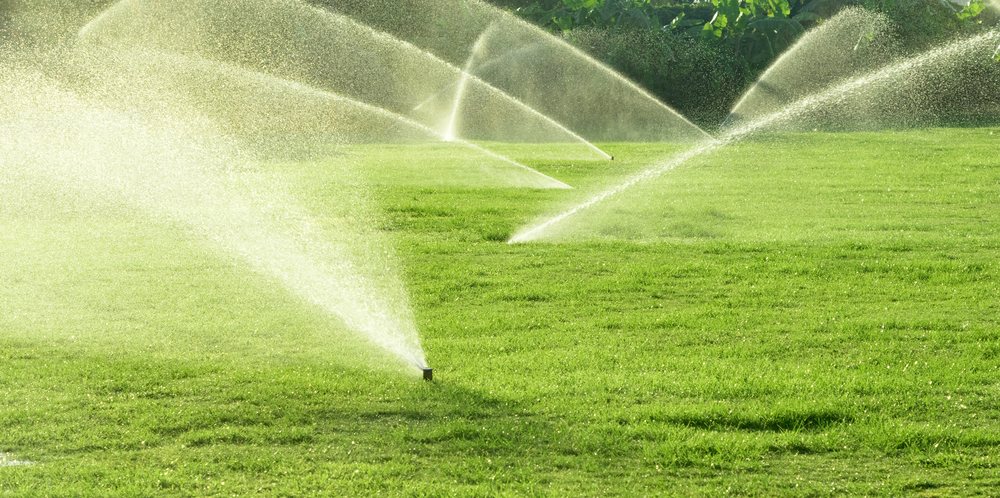
Sprinkler systems spray water into the air. Water falls like rain on plants and soil. Pipes carry water from a source to sprinkler heads. These heads spread water over a large area. This method waters many plants at once. It is good for lawns and big gardens.
Types Of Sprinkler Systems
- Fixed Sprinklers: Stay in one place and cover a set area.
- Rotary Sprinklers: Rotate to cover a larger space.
- Pop-up Sprinklers: Hide underground and pop up when watering.
Advantages Of Sprinkler Systems
- Covers large areas quickly.
- Easy to install for lawns and gardens.
- Can water many types of plants at once.
Disadvantages Of Sprinkler Systems
- Water can evaporate in hot weather.
- Wind may move water away from plants.
- Not ideal for plants needing precise watering.
Water Efficiency Comparison
Drip irrigation and sprinkler systems are common ways to water plants. Both serve the same purpose but work differently. Understanding their water use helps choose the best system for a garden or farm. Water efficiency means using less water while keeping plants healthy.
How Drip Irrigation Saves Water
Drip irrigation delivers water directly to the roots. It uses small tubes and emitters placed near plants. Water drips slowly and steadily. This method reduces water loss from evaporation and wind.
Because the water goes straight to the soil, plants get just the right amount. Less water runoff and deep drainage happen. This system is good for dry areas or places with water limits.
Water Use In Sprinkler Systems
Sprinkler systems spray water over a large area. Water falls like rain from above. This covers many plants at once but can waste water.
Some water evaporates before it reaches the soil. Wind can blow water away, causing uneven watering. Sprinklers may need more water than drip systems.
Comparison Table Of Water Efficiency
Feature | Drip Irrigation | Sprinkler System |
Water Delivery | Direct to roots | Sprays over plants |
Water Loss | Low evaporation and runoff | High evaporation and runoff |
Water Use | Uses less water | Uses more water |
Best For | Dry areas, water limits | Large lawns, gardens |
Installation Process
Drip irrigation and sprinkler systems both deliver water to plants. But their installation steps are quite different. Knowing these steps helps choose the right system for your garden or farm. Each system needs special tools and setup methods to work well.
Installing Drip Irrigation
Drip irrigation uses small tubes to send water directly to plant roots. This system needs a main water line and many small drip lines.
- Start by laying the main hose or pipe along the garden beds.
- Attach drip emitters or small tubes to the main line at each plant spot.
- Use connectors and stakes to keep tubes in place.
- Connect the system to a water source like a tap.
- Add a filter to stop dirt from clogging tubes.
- Test the system to check for leaks and proper water flow.
Installing Sprinkler Systems
Sprinkler systems spray water over a wide area using sprinkler heads. These heads pop up from the ground or stand on poles.
- Dig shallow trenches to lay main pipes underground.
- Place sprinkler heads at planned spots for good coverage.
- Connect pipes and sprinkler heads with fittings.
- Attach the system to a water supply.
- Install a valve system to control water flow.
- Turn on the system and check for even watering and leaks.
Comparison Table
Step | Drip Irrigation | Sprinkler System |
Water Delivery | Direct to roots via tubes | Sprays water over plants |
Setup | Lay main hose, add emitters | Dig trenches, install pipes and heads |
Parts Needed | Hoses, emitters, connectors, filter | Pipes, sprinkler heads, valves |
Water Source Connection | Connect tap with filter | Connect tap with valve system |
Testing | Check drip flow and leaks | Check spray coverage and leaks |
Maintenance Requirements
Drip irrigation and sprinkler systems need care to work well.
Knowing their maintenance needs helps keep plants healthy and saves money.
Drip Irrigation Maintenance
Check emitters often to stop blockages caused by dirt or minerals.
Clean filters every few weeks to keep water flowing smoothly.
Look for leaks or broken tubes and fix them quickly.
Flush the system yearly to remove buildup inside pipes.
Sprinkler System Maintenance
Inspect sprinkler heads for clogs, damage, or misalignment.
Clear any debris like leaves or grass from heads to ensure even watering.
Test the timer and control system regularly to keep the schedule right.
Check pipes and valves for leaks or cracks and repair as needed.
Maintenance Comparison Table
Aspect | Drip Irrigation | Sprinkler System |
Cleaning | Filters and emitters need frequent cleaning | Sprinkler heads need regular clearing |
Leak Checks | Tubes and emitters checked often | Pipes and valves checked regularly |
System Flushing | Required yearly to prevent buildup | Not usually needed |
Timer & Controls | Simple, less often checked | Needs regular testing and adjustment |
Cost Considerations
Choosing between drip irrigation and sprinkler systems often depends on cost. Both systems have different setup and maintenance expenses. Understanding these can help make a better choice for your garden or farm.
Initial Installation Costs
Drip irrigation usually has higher installation costs. It requires tubing, emitters, and filters. The setup takes more time and careful planning.
Sprinkler systems are generally cheaper to install. They need pipes, sprinklers, and a pump. Installation is faster and simpler.
Water Use And Savings
Drip irrigation uses water very efficiently. It delivers water directly to plant roots. This reduces water waste and lowers water bills.
Sprinkler systems use more water. Water sprays over a large area, causing evaporation and runoff. This can increase water costs.
Maintenance Costs
System Type | Common Maintenance Tasks | Cost Level |
Drip Irrigation | Cleaning filters, checking emitters, fixing leaks | Moderate to High |
Sprinkler System | Checking sprinkler heads, pipe repair, pump service | Low to Moderate |
Long-term Cost Effects
Drip irrigation can save money over time. Water savings and less weed growth reduce costs. Plants get water only where needed.
Sprinkler systems may cost more long-term. Water waste and evaporation add to expenses. More frequent repairs might be needed.
Ideal Applications
Drip irrigation and sprinkler systems are two common ways to water plants. Both have different uses and benefits. Choosing the right one depends on the type of plants, soil, and area size. Understanding where each works best can save water and help plants grow well.
Drip Irrigation
Drip irrigation sends water slowly to the roots of plants. This method is very water-efficient. It works best for:
- Small gardens or flower beds
- Plants with deep roots like vegetables and shrubs
- Areas with poor water supply because it uses less water
- Uneven land where water might run off easily
- Greenhouses or controlled environments
This system helps keep the leaves dry. It lowers the chance of plant diseases. It also reduces weed growth because water goes only to the plants, not the whole soil.
Sprinkler Systems
Sprinkler systems spray water like rain over a larger area. This method is good for:
- Lawns and large open spaces
- Young plants that need water on leaves and soil
- Areas with even land for uniform water spread
- Crop fields that need quick watering
- Gardens with mixed plant types because it covers wide areas
Sprinklers are easy to set up and cover many plants at once. They can also help cool the air on hot days.
Summary Table Of Ideal Uses
Feature | Drip Irrigation | Sprinkler Systems |
Water Delivery | Slow, direct to roots | Sprays over plants and soil |
Best for | Vegetables, shrubs, greenhouses | Lawns, crop fields, large gardens |
Water Use | Very efficient, less waste | Less efficient, some water loss |
Land Type | Uneven or sloped land | Flat, even ground |
Setup Complexity | Requires more parts and care | Simple and quick setup |
Frequently Asked Questions
What Are The Main Differences Between Drip And Sprinkler Systems?
Drip irrigation delivers water slowly at plant roots, saving water. Sprinklers spray water over a large area, like rain. Drip suits gardens and rows; sprinklers fit lawns and fields.
Which Irrigation System Saves More Water, Drip Or Sprinkler?
Drip irrigation saves more water by targeting plant roots directly. Sprinklers lose more water to evaporation and wind. Drip is best for dry areas or water limits.
Can Drip And Sprinkler Systems Be Used Together?
Yes, using both systems can meet different watering needs. Drip works for plants needing deep watering. Sprinklers cover grass or large areas quickly.
Conclusion
Drip irrigation and sprinkler systems both save water and help plants grow. Drip irrigation delivers water slowly to the roots. Sprinklers spray water over a larger area. Choose the system that fits your garden size and plant types. Think about how much water you want to use.
Both systems can work well with regular care. Water wisely to keep your plants healthy and green. Simple choices can make your garden thrive.
Leave A Comment