
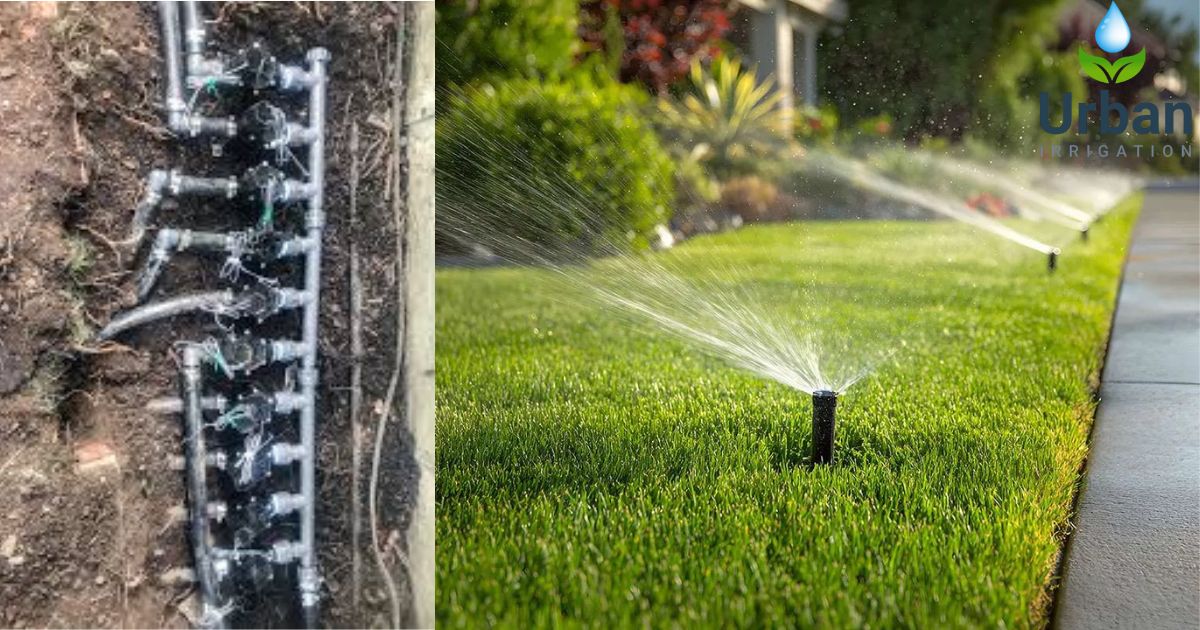
Choosing the right sprinkler system for your yard can feel Overwhelming
Choosing the right sprinkler system for your yard can feel overwhelming. You want to keep your grass green and your plants healthy without wasting water or money.
But how do you pick the best option among so many choices? This guide will help you understand what to look for, so you can make a smart decision that fits your yard’s size, shape, and needs. By the end, you’ll feel confident that your sprinkler system will keep your outdoor space thriving with less effort.
Keep reading to find out exactly how to choose the perfect sprinkler system for your yard.
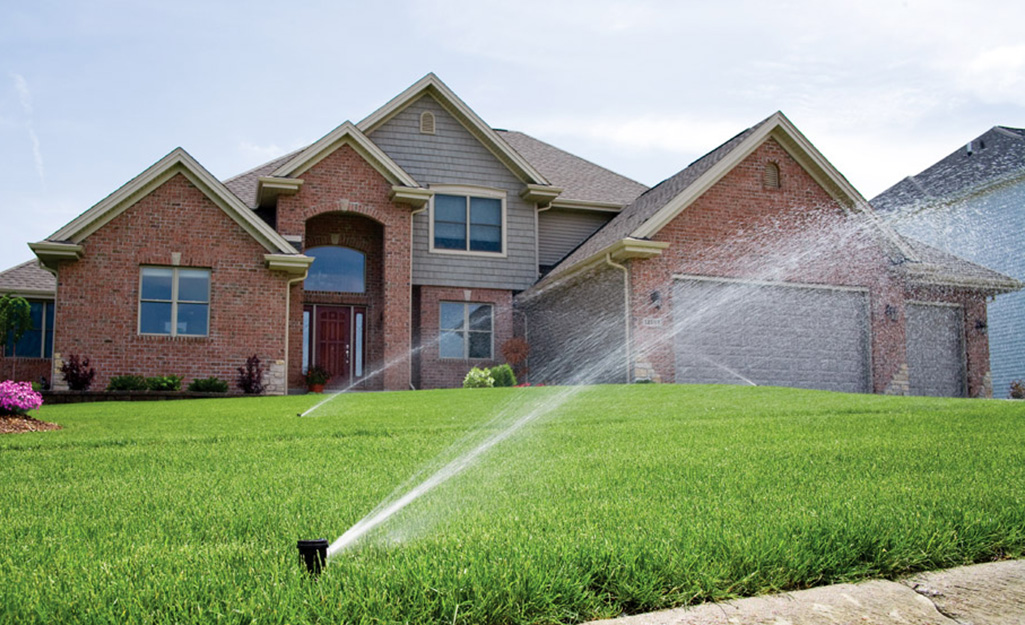
Types Of Sprinkler Systems
Choosing the right sprinkler system helps keep your yard green and healthy. Different systems suit different yard sizes and plant types. Knowing the main types of sprinklers makes picking easier. Each system sprays water in a special way. This guide explains three common types: fixed spray, rotary, and drip irrigation. Understanding these will help you water your plants well and save water too.
Fixed Spray
Fixed spray sprinklers send water in a set pattern. The spray does not move. It covers a small area well. These sprinklers are best for small yards or flower beds.
Key points about fixed spray sprinklers:
1. Water covers a fixed 2. area, usually a circle or rectangle.
3. Good for watering small, even areas.
4. Can waste water if placed wrong.
5. Easy to install and affordable.
6. Works well for grass, flowers, and shrubs.
Fixed spray sprinklers come with different spray distances. Short distance for small plants. Longer for bigger patches of grass.
Spray Distance | Best Use | Water Coverage |
5 to 10 feet | Small flower beds | Circle or rectangle |
10 to 15 feet | Medium lawn areas | Circle or rectangle |
Rotary
Rotary sprinklers spray water in a spinning motion. The water moves in a circle or part of a circle. This covers large areas slowly and evenly.
Main benefits of rotary sprinklers:
- Water covers big areas better than fixed spray.
- Works well for large lawns or gardens.
- Uses less water by spraying slowly.
- Can adjust the angle and distance of spray.
- More expensive than fixed spray but saves water.
Rotary sprinklers are best for wide open spaces. They can cover up to 50 feet or more. The slow rotation helps plants absorb water better.
Drip Irrigation
Drip irrigation sends water directly to plant roots. It uses small tubes and holes to drip water slowly. This method saves water and keeps plants healthy.
Advantages of drip irrigation:
Water goes straight to roots, not leaves or soil surface.
Reduces water waste from evaporation or wind.
Great for garden beds, shrubs, and trees.
Helps prevent plant diseases caused by wet leaves.
Needs more setup time and parts than other systems.
.
Drip irrigation is perfect for areas with water limits or hot climates. It keeps soil moist without flooding. This system fits well for vegetable gardens or flower patches.
Feature | Fixed Spray | Rotary | Drip Irrigation |
Water Coverage | Small to medium areas | Large areas | Specific plants |
Water Efficiency | Moderate | Good | Excellent |
Best Use | Lawn edges, flower beds | Big lawns | Vegetable gardens, shrubs |
Cost | Low | Medium | Medium to high |
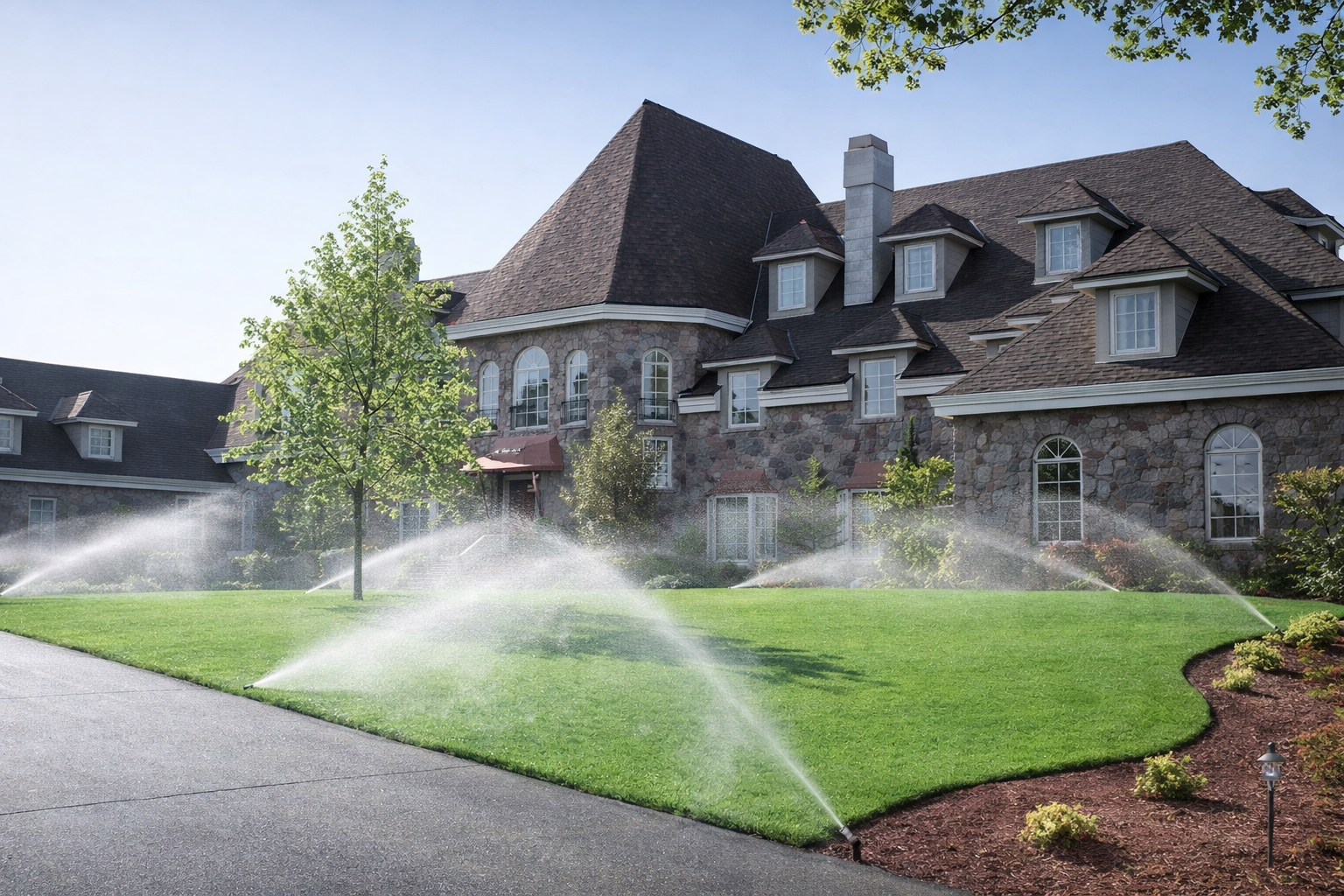
Assessing Yard Size And Shape
Choosing the right sprinkler system starts with understanding your yard’s size and shape. This step helps you water plants evenly and save water. A well-planned system can make your garden healthy and green. It also prevents dry spots or overwatering. Knowing the exact area and layout of your yard is very important before buying any sprinkler system.
Measuring Your Yard
Begin by measuring your yard to know how much space needs watering. Use a tape measure or a measuring wheel to find the length and width of your yard. Write down these numbers clearly.
If your yard is not a simple rectangle, break it into smaller sections. Measure each section separately for better accuracy.
Here are simple steps to measure your yard:
- Measure the longest side and write it down.
- Measure the shortest side and write it down.
- For irregular shapes, divide the area into smaller rectangles or squares.
- Measure each small section and add the areas together.
Use this table to calculate the area of common shapes:
Shape | Formula | Example |
Rectangle | Length × Width | 50 ft × 30 ft = 1500 sq ft |
Circle | π × Radius² | 3.14 × 10 ft × 10 ft = 314 sq ft |
Triangle | 0.5 × Base × Height | 0.5 × 20 ft × 15 ft = 150 sq ft |
Having the exact size helps choose the right sprinkler system and amount of water needed.
Mapping Zones
Divide your yard into zones to make watering easier and more efficient. Zones are areas that need similar water amounts or have similar shapes. Mapping zones helps your sprinkler system work better.
Think about these factors when creating zones:
- Plant types: Grass, flowers, and shrubs need different water amounts.
- Sun exposure: Sunny areas dry faster than shaded areas.
- Shape and slope: Steep or uneven land may need special watering.
- Water pressure: Too many sprinklers in one zone can reduce pressure.
Draw a simple map of your yard. Mark each zone with clear boundaries. Label each zone with the plants it has and the watering needs.
Example of zoning:
Zone | Area Description | Watering Needs |
Zone 1 | Front lawn, mostly grass | High, daily watering |
Zone 2 | Flower beds, shaded area | Moderate, every other day |
Zone 3 | Shrubs along driveway | Low, twice a week |
Mapping zones helps avoid overwatering and saves water. It also lets you control which areas get water and when.
Soil And Plant Considerations
Choosing the right sprinkler system for your yard depends a lot on the soil and plants you have. Different soils hold water in different ways. Plants also need different amounts of water. Knowing these details helps you pick a sprinkler system that saves water and keeps your yard healthy. This guide explains how soil type and plant water needs affect your choice.
Soil Type Impact
Soil type is very important when choosing a sprinkler system. Some soils hold water well. Others let water drain quickly. Picking the wrong sprinkler can waste water or harm your plants.
Three main soil types:
- Sandy soil: Drains water fast. Needs short, frequent watering.
- Clay soil: Holds water longer. Water slowly to avoid puddles.
- Loam soil: Balanced drainage and moisture. Easier to water.
Sprinkler systems should match soil type to work best. For example, drip irrigation works well for sandy soil. It gives water slowly and directly to roots. Sprinklers with large droplets suit clay soil better. They prevent runoff and let water soak in.
Soil Type | Water Holding | Best Sprinkler Type | Watering Tip |
Sandy | Low | Drip irrigation | Short, frequent watering |
Clay | High | Sprinklers with large droplets | Slow watering to avoid runoff |
Loam | Medium | Most sprinkler types | Moderate watering |
Water Needs Of Plants
Plants need different amounts of water. Some plants like wet soil. Others prefer dry soil. Knowing the water needs helps to avoid overwatering or underwatering.
Types of plants by water need:
- High water need: Vegetables, ferns, and tropical plants.
- Medium water need: Most flowers and shrubs.
- Low water need: Succulents, cacti, and drought-tolerant grasses.
Choose a sprinkler system that can adjust watering times. This helps give each plant the right amount of water. For example, zone watering lets you water different areas with different amounts. Drip systems work well for plants that need less water. Sprinklers can cover larger areas for plants needing more water.
Plant Type | Water Need | Recommended Sprinkler |
Vegetables, ferns | High | Sprinkler with adjustable zones |
Flowers, shrubs | Medium | Standard sprinkler or drip |
Succulents, cacti | Low | Drip irrigation |
Knowing plant water needs saves water and keeps plants healthy. It also helps avoid diseases caused by too much water. Choose your sprinkler system with these needs in mind.
Water Pressure And Source
Choosing the right sprinkler system for your yard depends on many things. One key factor is the water pressure and source. These decide how well your sprinkler works and how much water it uses. Knowing about your water pressure and supply helps pick the best system for your garden. This guide explains what to check about water pressure and the types of water supplies available.
Checking Water Pressure
Water pressure shows how hard water pushes through pipes. It is very important for sprinkler systems. Too little pressure means the sprinkler won’t cover the area well. Too much pressure can damage the system or waste water.
Here are easy steps to check your water pressure:
- Get a pressure gauge from a hardware store.
- Attach it to an outdoor faucet or hose bib.
- Turn on the water fully and read the gauge.
- Write down the pressure in pounds per square inch (PSI).
Most sprinkler systems work best between 30 and 50 PSI. Below 30 PSI, water flow might be weak. Above 50 PSI, you may need a pressure regulator to protect the system.
Water Pressure (PSI) | Effect on Sprinkler System |
Below 30 | Low water flow; poor coverage |
30 – 50 | Ideal pressure for most systems |
Above 50 | High pressure; risk of damage; needs regulator |
Water Supply Options
Your yard’s water supply affects the type of sprinkler you can use. Different supplies have different flow rates and availability. Knowing your supply helps choose a system that fits your needs.
Common water sources include:
- Municipal water: Water from city pipes. Usually clean and steady supply.
- Well water: Water from underground. May have varying pressure and quality.
- Rainwater collection: Water saved from rain. Good for small gardens and eco-friendly use.
- Surface water: Water from ponds or lakes. Usually requires filters and pumps.
Compare these water supply options by their flow rate and pressure:
Water Supply | Typical Pressure | Common Use |
Municipal | 40 – 60 PSI | Residential yards |
Well | Varies (20 – 70 PSI) | Rural homes, farms |
Rainwater | Low to moderate | Small gardens, eco-friendly use |
Surface water | Varies | Large gardens, farms with pump |
Choosing a sprinkler system that matches your water supply helps save water and keeps your yard healthy.
Automation And Controls
Choosing the right sprinkler system for your yard can make watering easier and save water. Automation and controls help manage your sprinkler without much effort. These tools let you set the watering times and adjust based on weather or soil. Using automation can help keep your plants healthy and your water bill low. Understanding the different controls will guide you to pick the best system for your yard.
Timers And Sensors
Timers let you set specific times for your sprinkler to turn on and off. This helps water your yard evenly without needing to be there. You can choose simple timers or ones with more options. Simple timers usually let you set watering for a few days a week. More advanced timers offer multiple start times per day.
Sensors add smart control to your sprinkler system. These devices detect things like rain, soil moisture, or temperature. They stop watering when it is not needed, saving water and protecting plants from overwatering.
- Rain Sensors: Pause watering during rain or wet conditions.
- Soil Moisture Sensors: Measure soil dampness to adjust watering.
- Temperature Sensors: Prevent watering when it is too cold or hot.
Using timers and sensors together means your sprinkler waters only when needed. This keeps your yard healthy and reduces waste. Many timers have easy-to-use controls, so you can change settings anytime.
Smart Irrigation Systems
Smart irrigation systems use technology to water your yard with less effort and more accuracy. These systems connect to your phone or computer. You can control watering schedules from anywhere. They often include weather data to adjust watering automatically.
Key features of smart irrigation systems include:
- Wi-Fi Connectivity: Control your system using an app.
- Weather-Based Adjustments: Water less on rainy days and more in dry periods.
- Zone Control: Water different parts of your yard separately based on needs.
Smart systems can save water and time by adapting to conditions. They send alerts if there are problems, like leaks or broken sprinkler heads. This helps you fix issues quickly and avoid water waste.
Feature | Benefit |
Automatic Weather Updates | Adjust watering based on real-time weather |
Mobile App Control | Manage your system from anywhere |
Custom Watering Zones | Tailor watering for different plants or areas |
Leak Detection | Alerts to fix problems early and save water |
Budget And Installation
Choosing the right sprinkler system for a yard depends a lot on budget and installation needs. Sprinkler systems help keep grass and plants healthy by watering them regularly. Picking the right system saves money and time. It also makes sure the yard gets the right amount of water. Understanding costs and whether to install the system yourself or hire someone can make the decision easier.
Cost Estimates
Sprinkler system costs vary based on size and type. Small yards need fewer parts, so they cost less. Large yards need more pipes and sprinklers, which raises the price. The main costs include:
- Sprinkler heads: Different types cost different amounts.
- Pipes and tubing: Needed to connect all sprinklers.
- Control valves and timers: Help manage watering times.
- Installation materials: Such as connectors and fittings.
Here is a simple cost range for common sprinkler systems:
Type of System | Cost Range | Best For |
Drip Irrigation | $100 – $500 | Small gardens, flower beds |
Pop-up Sprinklers | $500 – $2,000 | Medium to large lawns |
Rotor Systems | $1,500 – $3,000+ | Large yards, commercial areas |
Extra features like smart controllers may increase costs. Budget for repairs and yearly maintenance too. Planning a clear budget helps avoid surprises.
Diy Vs Professional
Installing a sprinkler system can be done by yourself or by hiring a pro. Each choice has pros and cons.
DIY installation saves money on labor. It works well for small yards and simple systems. It requires some tools and time. Basic plumbing and digging skills help a lot.
- Buy a kit with clear instructions.
- Plan the layout carefully before digging.
- Test the system before covering pipes.
Professional installation costs more but saves time and effort. Experts know how to place sprinklers for best coverage. They avoid common mistakes that cause leaks or poor watering. Professionals can also handle complex systems and smart controllers.
Factor | DIY | Professional |
Cost | Lower | Higher |
Time | Longer | Shorter |
Skill Needed | Basic to moderate | Expert |
System Complexity | Simple systems | Simple to complex |
Choosing depends on how much time and skill you have. For complex yards, a professional is a safer choice. For small yards, DIY can work well and save money.
Maintenance Tips
Choosing the right sprinkler system for your yard is important for healthy plants and saving water. A good system waters your garden evenly and fits your yard size. Once installed, keeping the system in good shape is key. Maintenance tips help your sprinkler work well for a long time. This keeps your yard green and avoids costly repairs.
Regular Checks
Check your sprinkler system often. Look for broken sprinkler heads or clogged nozzles. These problems stop water from reaching all parts of your yard. Fix or replace any damaged parts right away.
Also, watch for leaks. Water pooling or soggy spots show leaks under the ground. Leaks waste water and can harm plants.
Important points for regular checks:
- Test the system weekly during the watering season.
- Look for uneven water coverage.
- Clean clogged nozzles with a small brush or needle.
- Check sprinkler head height to avoid cutting grass or blocking spray.
- Adjust spray direction to water plants, not sidewalks or driveways.
Issue | Signs | Action |
Broken sprinkler head | Water sprays unevenly or not at all | Replace the sprinkler head |
Clogged nozzle | Weak or no water spray | Clean nozzle with needle or brush |
Leak in pipe | Wet spots or pooling water | Repair pipe or call professional |
Winterizing Your System
Winter can damage your sprinkler system if water stays inside pipes. Water freezes and can crack pipes or valves. To protect your system, you need to winterize it before cold weather.
Steps to winterize:
- Turn off the water supply to the sprinkler system.
- Drain all water from pipes and sprinkler heads.
- Use an air compressor to blow out any water left inside pipes.
- Cover above-ground parts like valves and timers to protect from frost.
- Remove and store hoses to prevent damage.
Winterizing keeps your sprinkler system safe. It stops leaks and breaks caused by freezing. Doing this every year saves money on repairs and keeps your yard ready for spring.
Frequently Asked Questions
What Types Of Sprinkler Systems Work Best For Different Yards?
Sprinkler systems include drip, rotor, and spray types. Choose based on yard size, shape, and plant types. Smaller yards often suit spray sprinklers, while larger areas benefit from rotors.
How Do I Calculate The Water Needs For My Lawn?
Check your lawn’s square footage to estimate water needs. Most lawns need about 1 inch of water weekly. Adjust based on weather and soil type for best results.
Can I Install A Sprinkler System Myself Or Need A Pro?
Simple systems can be installed by homeowners using guides. Complex systems with timers or multiple zones often require professional help. Consider your skills and tools before deciding.
What Features Should I Look For In A Sprinkler Controller?
Look for easy programming, rain sensors, and zone control. Smart controllers save water by adjusting to weather changes. User-friendly controls help manage watering efficiently.
Conclusion
Choosing the right sprinkler system takes some thought and care. Think about your yard’s size, shape, and plants. Consider how much water each area needs. Check your budget and prefer simple designs for easy use. Good planning saves water and keeps your grass green.
A well-chosen system makes yard care easier and faster. Take time to compare options before you buy. Your yard will thank you with healthy, green growth. Simple steps lead to great results.
Leave A Comment