
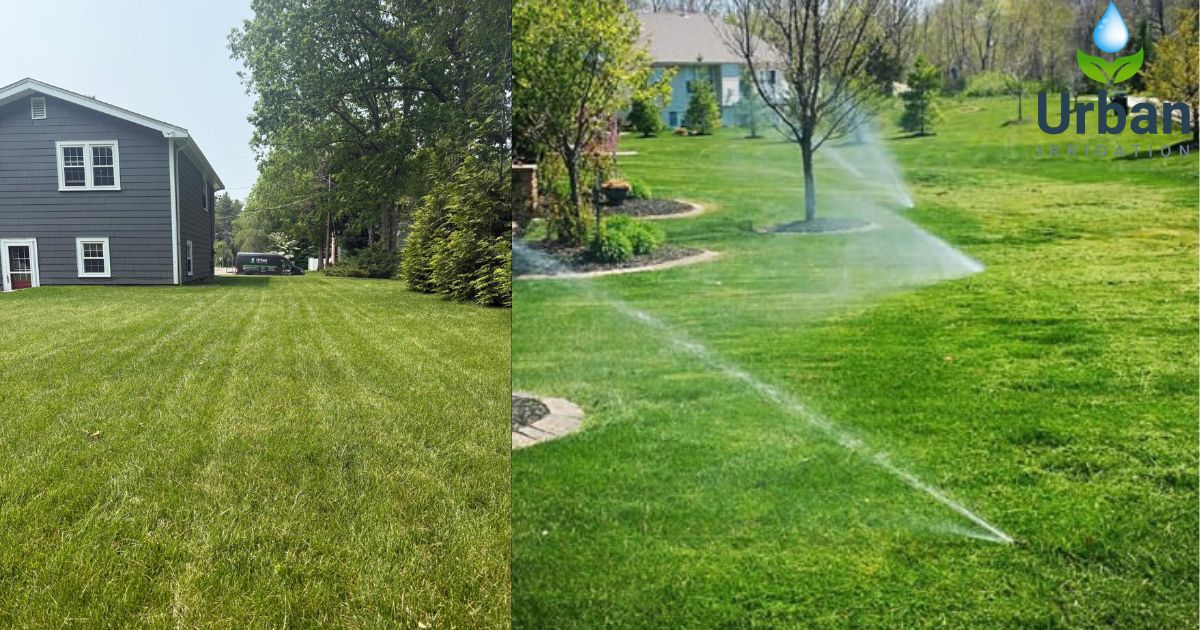
Do Landscapers Install Irrigation Systems? Expert Insights Revealed
Are you wondering if landscapers install irrigation systems as part of their services? If you want a lush, green yard without the hassle of watering every day, an irrigation system might be the perfect solution for you.
But can landscapers handle this important job, or do you need a specialist? Keep reading to discover how landscapers can help you save time, water, and effort by installing the right irrigation system for your outdoor space. Your dream lawn is closer than you think!
Landscaper Roles
Landscapers do many jobs to improve outdoor spaces. They plant trees, flowers, and grass. They also build paths and arrange stones. One common question is if they also install irrigation systems. These systems help keep plants healthy by watering them automatically. Knowing the role of landscapers helps understand what they can do for your yard.
Planting And Garden Design
Landscapers plan and plant gardens. They choose the right plants for the soil and climate. They also decide where to put each plant for the best look. This helps create a beautiful and healthy garden.
Hardscaping And Construction
They build paths, patios, and walls. These features add structure and style to a yard. Landscapers use materials like stone, wood, and concrete. This work makes outdoor spaces more useful and nice to see.
Irrigation System Installation
Some landscapers install irrigation systems, but not all. It depends on their skills and services offered. Installing these systems needs special knowledge about pipes and water flow. Some landscapers work with irrigation experts to do this job.
Maintenance And Care
Landscapers also keep gardens and lawns healthy. They water plants, mow the lawn, and remove weeds. Regular care helps plants grow well and look fresh. This work is important to keep outdoor spaces nice year-round.
Irrigation System Basics
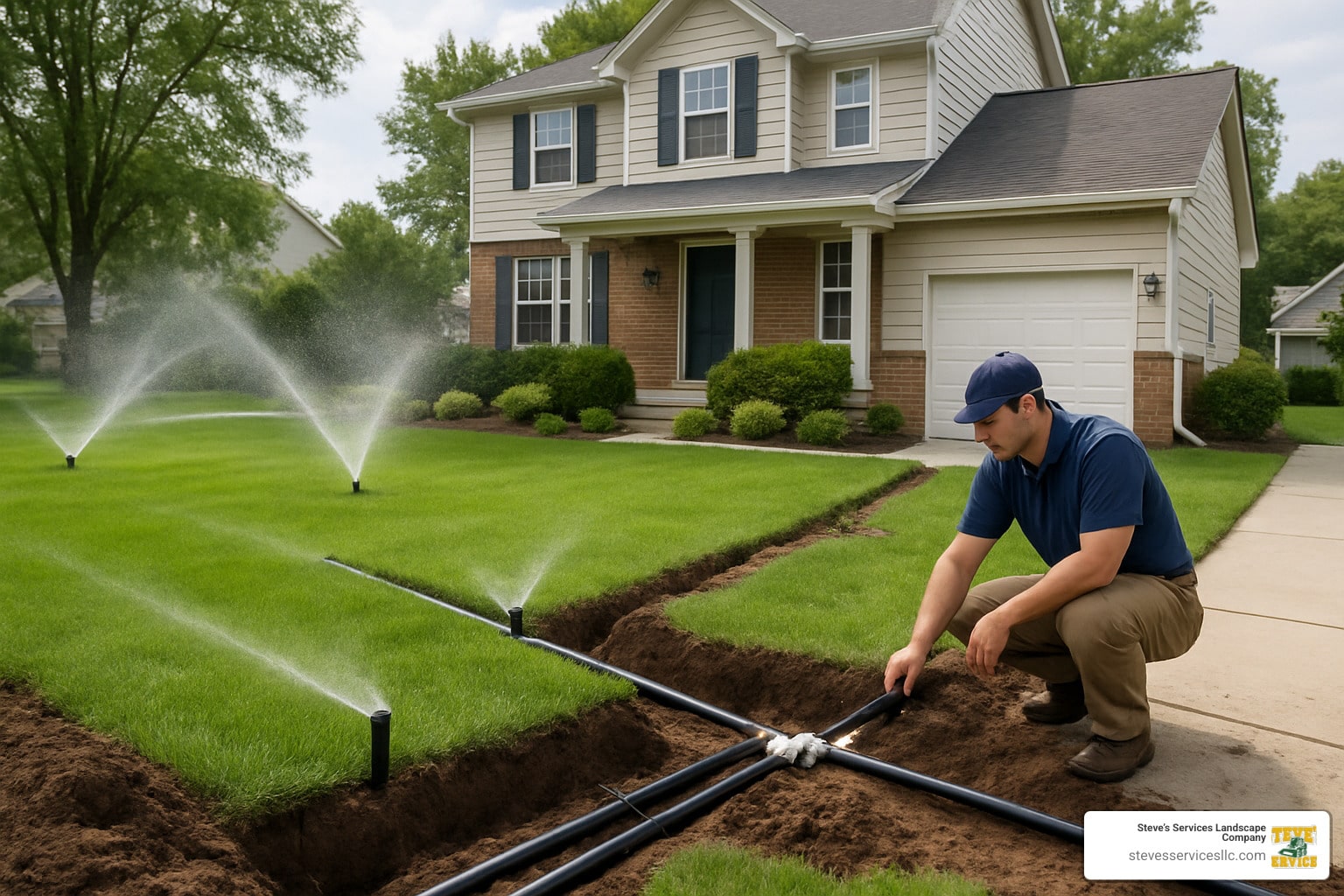
Irrigation systems help keep plants and grass healthy. They provide water in a controlled way. This saves time and effort compared to watering by hand. Many types of irrigation systems exist. Some spray water over large areas. Others drip water slowly to plant roots.
What Is An Irrigation System?
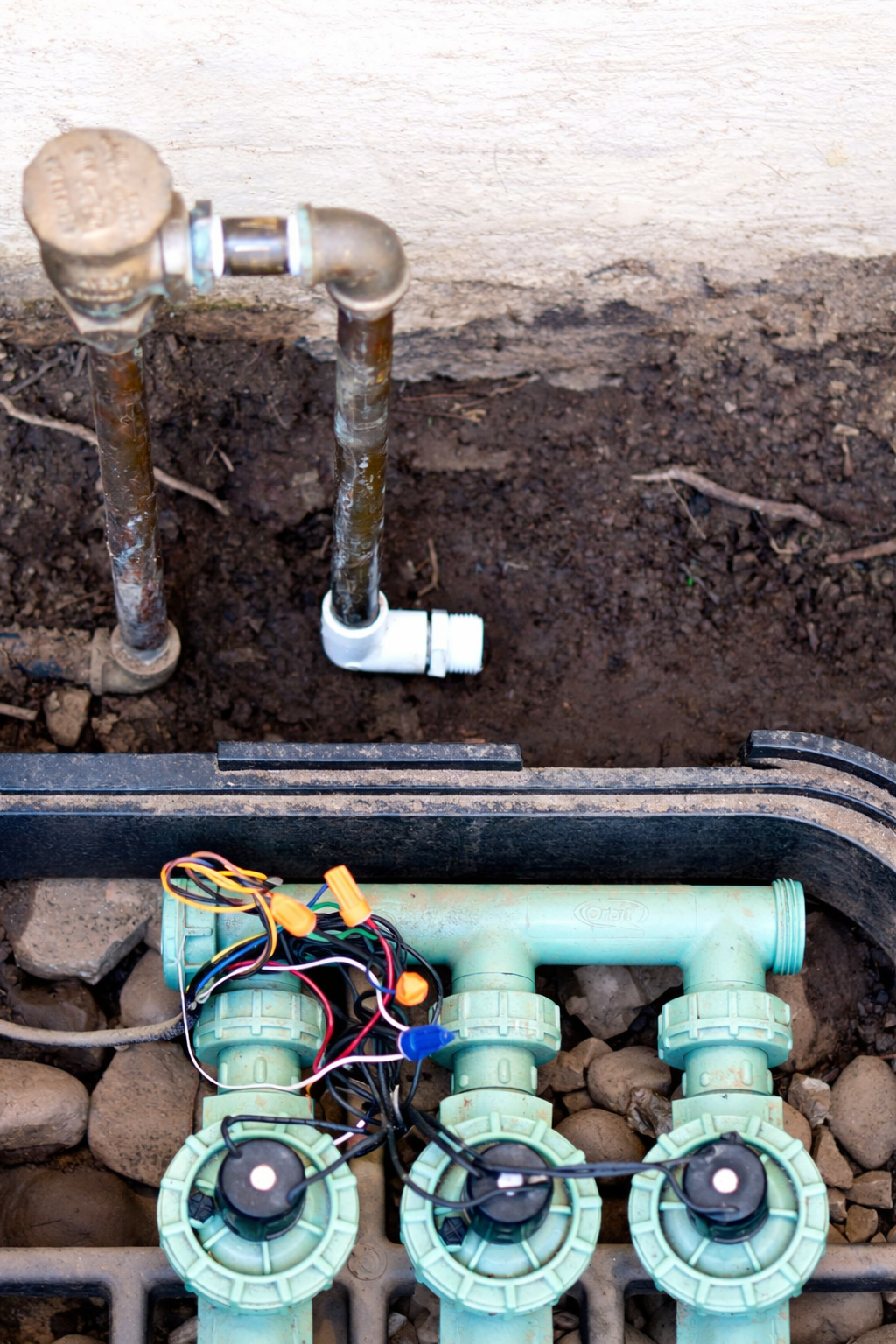
An irrigation system delivers water to plants automatically. It uses pipes, valves, and sprinklers or drip emitters. The system can be set to run at certain times. This makes watering easy and regular.
- Sprinkler Systems: Spray water like rain over lawns and gardens.
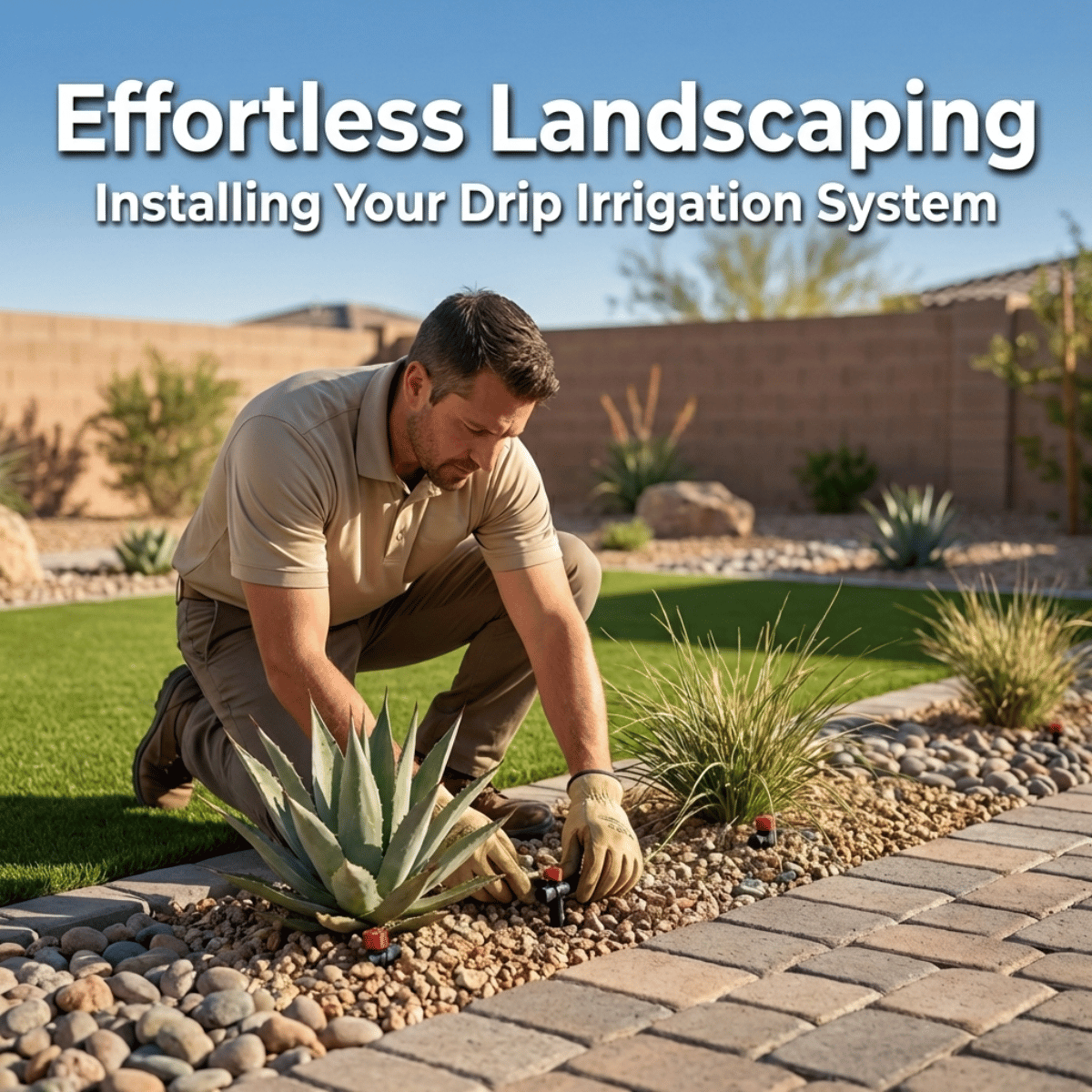
- Drip Irrigation: Sends water slowly to the base of plants.
- Soaker Hoses: Hose with tiny holes that release water along its length.
Benefits Of Installing An Irrigation System
Water is used more efficiently, saving money. Plants get water at the right time. This supports healthy growth. Also, irrigation systems reduce the effort needed to water plants.
Do Landscapers Install Irrigation Systems?
Many landscapers do install irrigation systems. They have the tools and knowledge to set them up. This includes planning where pipes and sprinklers go. Some landscapers also repair and maintain these systems.
Not all landscapers offer this service. It is important to check before hiring. Some specialize only in planting and design. Others provide full irrigation installation and care.
Types Of Irrigation Systems
Many homeowners want green, healthy lawns and gardens. Irrigation systems help by watering plants evenly and saving water. Landscapers often install these systems to keep outdoor spaces fresh and lively. Understanding different types of irrigation systems helps choose the best one for your garden.
Drip Irrigation
Drip irrigation delivers water directly to plant roots. It uses small tubes with holes that release water slowly. This method saves water and reduces weed growth. Drip irrigation works well for gardens, flower beds, and shrubs.
Sprinkler Systems
Sprinklers spray water over a wide area. They mimic natural rain and cover lawns or large gardens. Sprinkler systems can be fixed or rotating. They are good for grass and plants needing regular watering.
Soaker Hoses
Soaker hoses leak water along their length. Lay them on soil or mulch near plants. Water seeps slowly, keeping the ground moist. Soaker hoses are simple and cost-effective for small gardens.
Manual Irrigation
Manual irrigation uses hoses or watering cans. It needs more time and effort but gives control over watering. This method suits small areas or places without installed systems.
Table: Comparison Of Irrigation Systems
Type | Water Use | Best For | Cost |
Drip Irrigation | Low | Flower beds, shrubs | Moderate |
Sprinkler Systems | Medium | Lawns, large gardens | High |
Soaker Hoses | Low | Small gardens, vegetable patches | Low |
manual Irrigation | Varies | Small areas, temporary use | Low |
Installation Process
Landscapers often install irrigation systems as part of their services. These systems help keep plants healthy by delivering water directly to the soil. This saves water and makes garden care easier. Many people trust landscapers to design and set up these systems properly.
Planning The System
First, landscapers assess the garden size and plant types. They decide where to place sprinklers or drip lines. This step ensures water reaches all plants evenly. They also check soil type and sun exposure to plan the best system.
Digging And Laying Pipes
Next, landscapers dig trenches for pipes. They carefully place pipes underground to avoid damage. Pipes carry water from the source to sprinklers or drip emitters. This step requires skill to avoid harming existing plants or structures.
Installing Sprinklers And Drip Emitters
Sprinklers are placed in open areas to water lawns. Drip emitters go near plant roots for precise watering. Landscapers adjust these devices to control water flow and coverage. Proper placement helps save water and keeps plants healthy.
Connecting To Water Source And Testing
After installation, landscapers connect the system to the water supply. They test the system to check for leaks and coverage. Adjustments are made to ensure all areas get enough water. This step confirms the system works well and is efficient.
Skills Required For Installation
Many people wonder if landscapers install irrigation systems. These systems help keep gardens and lawns green and healthy. Installing an irrigation system needs special skills and knowledge. Landscapers often have these skills, but it depends on their experience and services. Understanding the skills required helps you know what to expect.
Knowledge Of Water Systems
Understanding how water flows and is controlled is key. Landscapers must know how to connect pipes and valves. They also must ensure water reaches every part of the yard.
Design Skills
Designing a layout that covers the entire area is important. This includes placing sprinklers where water will spread evenly. Good design avoids water waste and dry spots.
Technical Ability
Using tools to dig trenches and install pipes requires skill. Landscapers must also know how to connect the system to the water source safely.
Problem-solving Skills
Fixing leaks or blockages quickly is part of the job. Landscapers must check the system and make adjustments as needed to keep it working well.
Electrical Knowledge
Many irrigation systems use timers or sensors. Landscapers should understand basic wiring to set these parts up correctly.
Customer Communication
Explaining how the system works helps customers use it properly. Landscapers also need to listen to customer needs and preferences.
Equipment Used By Landscapers
Landscapers often work on many parts of a yard or garden. One common question is whether they install irrigation systems. These systems help keep plants healthy by watering them automatically. Many landscapers have the tools and skills to set up these systems. This makes it easier for homeowners to maintain their gardens.
Tools For Installing Irrigation Systems
Landscapers use special tools to install irrigation systems. These tools help them dig trenches, place pipes, and connect parts. Some common tools include:
- Shovels and trenchers: For digging narrow channels in the ground.
- Pipe cutters: To cut irrigation pipes to the right size.
- Crimping tools: For joining pipes and fittings securely.
- Sprinkler heads and emitters: To deliver water evenly to plants.
- Timers and controllers: To automate watering schedules.
Heavy Equipment Landscapers Use
Some landscaping jobs need bigger machines. These help move soil or dig large holes faster. Examples include:
- Mini excavators: For digging trenches and holes.
- Wheelbarrows: To carry soil and materials.
- Roto-tillers: To prepare soil before planting or laying pipes.
Safety Gear For Irrigation Installation
Safety is important during installation. Landscapers use gear to protect themselves. This gear includes:
- Gloves: To protect hands from sharp tools and dirt.
- Safety glasses: To shield eyes from debris.
- Work boots: To protect feet and provide good grip.
Benefits Of Professional Installation
Installing an irrigation system helps keep your garden healthy and green. Many people wonder if landscapers can do this job. Landscapers often have the skills to design and install watering systems. They know how to place pipes and sprinklers where plants need water most. Choosing a professional can save time and effort.
Expert Knowledge And Experience
Professionals understand different types of irrigation systems. They know which system works best for your soil and plants. Their experience helps avoid common mistakes that waste water. Proper installation means your system will run smoothly for years.
Time And Effort Savings
Installing irrigation takes many hours and special tools. Landscapers finish the job faster than most homeowners. They manage all steps, from digging trenches to testing the system. This lets you enjoy your garden sooner without the hard work.
Cost-effectiveness Over Time
A good irrigation system saves water and reduces bills. Proper setup means fewer repairs and less wasted water. Professionals can suggest the best parts for your budget. This helps avoid extra costs from poor installation or fixes later.
Customized Solutions
Landscapers design systems to fit your yard’s shape and plants. They adjust sprinkler heads for even water coverage. Custom plans help each plant get the right amount of water. This keeps your garden healthy without overwatering.
Warranty And Support
Many landscapers offer warranties on their work. If problems happen, they return to fix the system. This gives peace of mind and protects your investment. Support after installation keeps your irrigation working well.
Costs And Pricing Factors
Landscapers often install irrigation systems to help keep gardens and lawns healthy. The costs for these systems vary based on many things. Understanding these factors helps plan your budget better.
Type Of Irrigation System
Different systems cost different amounts. For example, drip irrigation uses less water and may cost less. Sprinkler systems cover bigger areas but are usually more expensive.
Size Of The Area
The bigger the lawn or garden, the higher the cost. More pipes, valves, and sprinkler heads are needed for large spaces. Small yards need fewer parts and less labor.
Labor And Installation Time
Installing an irrigation system takes time and skill. Complex layouts or hard-to-reach places increase labor costs. Simple systems in open areas are quicker and cheaper to install.
Materials And Equipment
High-quality parts cost more but last longer. Cheaper materials may save money now but need repairs sooner. The type of pipes, valves, and controllers affects the total price.
Additional Features
Extras like timers, rain sensors, and smart controls add to the cost. These features help save water and make watering easier. However, they require more parts and setup time.
Table Of Typical Cost Ranges
Factor | Cost Range (USD) | Notes |
Small drip irrigation system | $500 – $1,500 | For small gardens or flower beds |
Standard sprinkler system | $1,200 – $3,000 | Typical for average-sized lawns |
Large sprinkler system | $3,000 – $6,000+ | For big yards or commercial use |
Smart irrigation controls | $200 – $600 | Optional, saves water and effort |
Maintenance And Repairs
Landscapers often install irrigation systems to keep yards and gardens healthy. These systems help water plants evenly. Proper watering saves time and water. Many people trust landscapers for this job because they know plants well. Irrigation systems can be simple or complex. Landscapers choose the right system based on the plants and soil.
Regular Checks
Regular checks keep irrigation systems working well. This includes looking for leaks, broken parts, and clogged nozzles. Fixing small problems early stops bigger issues later. Landscapers often schedule these checks every few months.
Cleaning Sprinkler Heads
Cleaning sprinkler heads is important. Dirt and debris can block water flow. Clean heads spray water evenly, helping plants grow. Landscapers use tools or water to clean these parts carefully.
Fixing Leaks
Leaks waste water and can damage the yard. Landscapers find leaks by watching water pools or dry spots. They repair pipes or replace broken parts quickly to save water and money.
Winterizing The System
In cold areas, irrigation systems need winter care. Landscapers drain water to stop pipes from freezing. This prevents damage and costly repairs in spring.
Repair Services Offered By Landscapers
Repair Type | Description | Why It Matters |
Pipe Repair | Fixing or replacing broken underground pipes | Prevents water loss and keeps system running |
Nozzle Replacement | Changing damaged or clogged sprinkler nozzles | Ensures even water distribution |
Valve Repair | Repairing valves that control water flow | Allows proper water timing and pressure |
Controller Troubleshooting | Fixing issues with automatic timers | Maintains correct watering schedules |
Frequently Asked Questions
Do Landscapers Install Irrigation Systems Professionally?
Yes, many landscapers offer professional irrigation system installation. They plan and set up systems to water plants efficiently.
Can Landscapers Design Custom Irrigation For My Garden?
Landscapers can design irrigation systems tailored to your garden’s size and plant needs. They ensure proper water coverage.
How Much Does Landscaper Irrigation Installation Usually Cost?
Costs vary by garden size and system type. Most landscapers provide estimates after assessing your property.
Conclusion
Many landscapers install irrigation systems to keep gardens healthy. They know how to plan and set up water pipes and sprinklers. This helps save water and keeps plants green. Hiring a landscaper can make your yard look better and easier to care for.
Good irrigation means less work and more time to enjoy your outdoor space. Trust professionals to handle installation right the first time. Your lawn and plants will thank you with strong growth and beauty. A smart choice for any garden or lawn owner.
Leave A Comment