
Do You Need to Be a Plumber to Install an Irrigation System? Expert Insights Revealed!
Are you thinking about installing an irrigation system but wondering if you need to be a plumber first? It’s a common question that can make the whole project feel overwhelming.
You might be asking yourself, “Can I handle this on my own, or should I call a pro? ” The good news is, understanding what’s really involved can save you time, money, and frustration. Keep reading to discover whether you truly need plumbing skills to get your irrigation system up and running smoothly—and how you can make the process easier than you might think.
Licensing Requirements
Installing an irrigation system may seem simple, but rules vary by place. Some areas need a licensed plumber. Others allow homeowners to install systems themselves.
When A Plumber License Is Required
Many states and cities require a plumber’s license to install irrigation systems. This ensures the work meets safety and quality standards. Licensed plumbers have passed tests and know local codes.
Places Where A License Is Not Needed
Some places allow homeowners to install irrigation systems without a license. This usually applies to small, simple systems. Local rules decide what is allowed.
Risks Of Installing Without A License
- Poor installation can cause leaks or water damage.
- Insurance may not cover damage if work is unlicensed.
- Local authorities might fine or require removal of the system.
How To Check Local Licensing Rules
Contact your city or state building department. They can explain if a plumber’s license is needed. Some websites list local rules for irrigation systems.
Skills Needed
Installing an irrigation system can seem tricky at first. Many wonder if they must hire a plumber to do it right. The good news: basic irrigation work does not always need a plumber. Understanding the right skills helps you decide if you can do it yourself or need help.
Knowing how to install an irrigation system means having some key skills. First, you need basic plumbing knowledge. This includes understanding pipes, fittings, and water flow. You do not have to be a pro plumber, but you should know how to connect pipes properly.
Second, reading and following a layout plan is important. The system must cover all plants evenly. You must place sprinklers in the right spots. This skill helps avoid dry patches or water waste.
Third, using simple tools is part of the job. Tools like pipe cutters, wrenches, and shovels come in handy. Knowing how to use them safely is necessary.
Finally, basic electrical knowledge may help. Some irrigation systems use timers or sensors. You should know how to connect these parts or read instructions carefully.
Tools And Equipment
Installing an irrigation system helps keep your garden green and healthy. Many wonder if special skills or a plumber’s license is needed. The good news is, basic irrigation systems can be installed by most people. It takes some care, the right tools, and following instructions closely.
Essential Tools For Installation
Several tools make irrigation installation easier and more precise. Shovels and trowels help dig trenches for pipes. A pipe cutter is important for clean pipe cuts. Use a measuring tape to plan pipe lengths carefully.
Types Of Pipes And Fittings
Common pipes include PVC and polyethylene. PVC is rigid and durable, best for underground lines. Polyethylene is flexible and easier to work with above ground.
Fittings like tees, elbows, and couplings connect pipe sections. Choose fittings that match your pipe type and size.
Other Equipment Needed
- Sprinkler heads: Distribute water evenly.
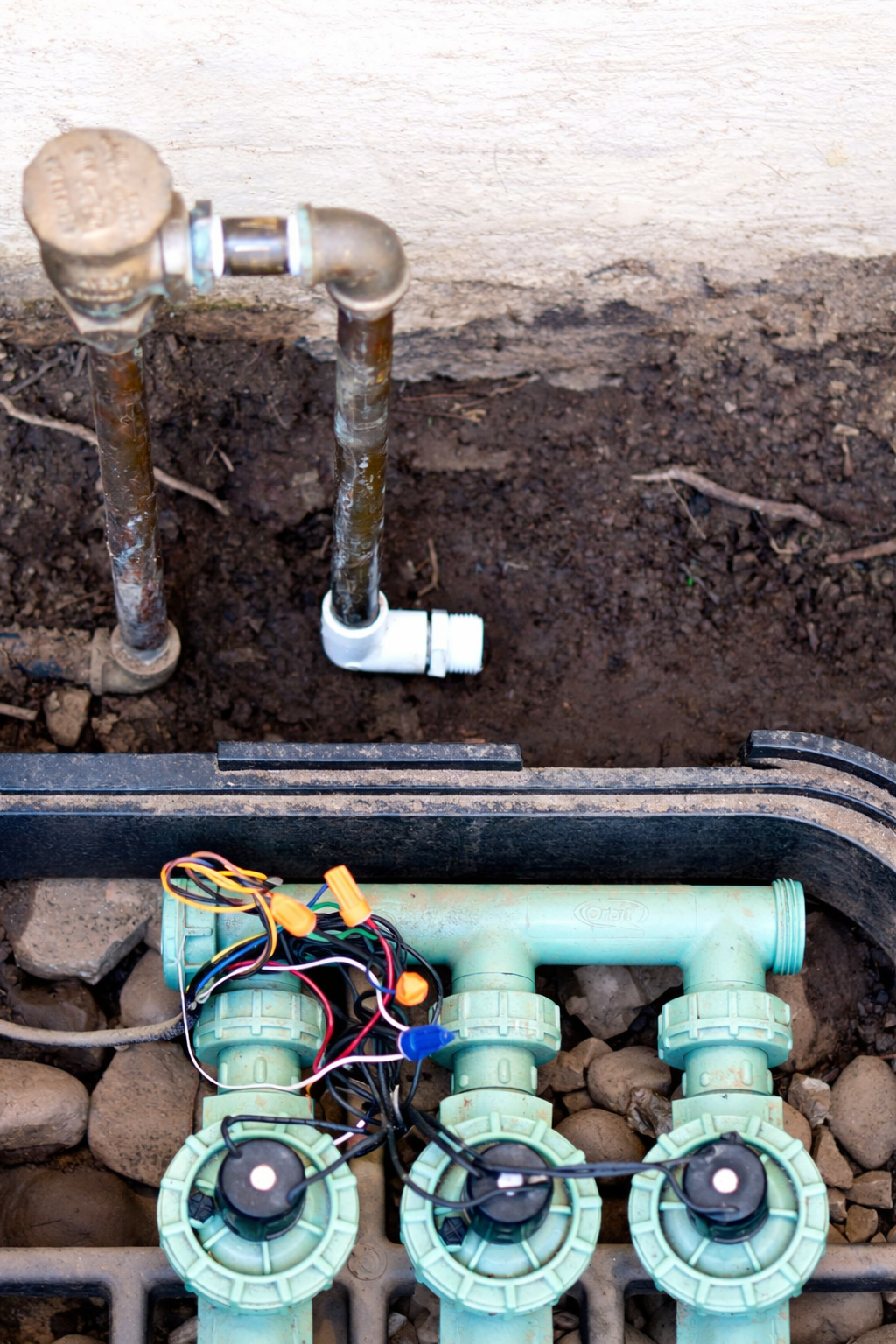
- Valves: Control water flow in different zones.
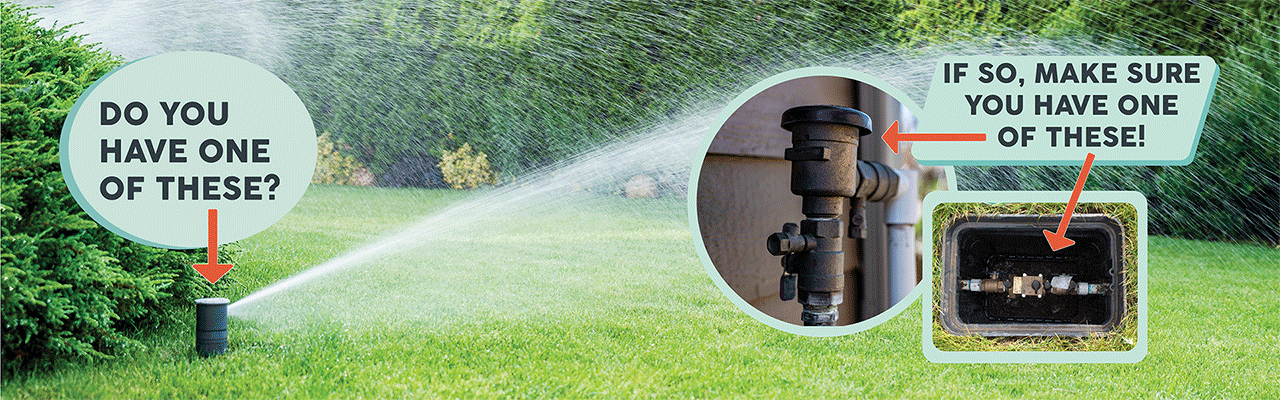
- Backflow preventer: Stops water from flowing back into the main supply.
Timer or controller: Automates watering schedules
Types Of Irrigation Systems
Installing an irrigation system helps keep plants healthy and green. Many people wonder if a plumber is needed for the job. The truth is, some irrigation systems are simple to set up without special skills. Knowing the types of irrigation systems can help decide what kind you need. This guide explains the main types to help you choose and understand installation.
Drip Irrigation
Drip irrigation delivers water directly to plant roots. It uses small tubes and emitters. This system saves water by reducing evaporation. It works well for gardens and flower beds. The parts are easy to connect and adjust.
Sprinkler Systems
Sprinklers spray water over a wide area. They look like small fountains or spray heads. Sprinklers are good for lawns and large gardens. Some models pop up from the ground when watering. They can be set on timers for easy use.
Soaker Hoses
Soaker hoses have tiny holes that leak water slowly. They lay on the soil surface or just under mulch. This method is simple and low cost. Water goes straight to plant roots, helping to save water. Soaker hoses are flexible and easy to move.
Surface Irrigation
Water flows over the soil surface to reach plants. It often uses small channels or furrows. This method is common in farming. It needs a gentle slope for water to move well. Surface irrigation is less common for home gardens.
Subsurface Irrigation
Pipes are buried under the soil to water roots directly. This system reduces water loss from evaporation. It is good for larger plants and trees. Installation can be more complex than surface systems. It keeps water close to roots for better growth.
Diy Installation Steps
Installing an irrigation system can save water and keep plants healthy. You do not always need a plumber to set it up. With the right tools and instructions, many people install these systems themselves. Understanding the main steps helps make the process easier.
Planning Your Irrigation System
Measure your garden area carefully to know how much tubing and how many sprinklers you need. Draw a simple map showing where plants and grass are. This helps decide the best places for pipes and sprinkler heads.
Gathering Tools And Materials
- Pipe cutter or sharp knife to cut tubes.
- Sprinkler heads suitable for your garden size.
- Poly tubing or PVC pipes to carry water.
- Connectors and fittings to join pipes.
- Timer or control valve to automate watering.
- Shovel for digging trenches.
Laying Out The Pipes
Start by placing pipes along the planned routes on the ground. Connect the main line to a water source, like an outdoor faucet. Use connectors to join pipes where needed. Avoid sharp bends to keep water flow steady.
Installing Sprinkler Heads
Attach sprinkler heads to the pipes at spots where water is needed. Make sure each head covers the right area without overlapping too much. Adjust the height so water sprays over plants, not on sidewalks.
Testing The System
Turn on the water to check for leaks or blockages. Watch each sprinkler head to see if it sprays evenly. Fix any leaks by tightening connections. Replace damaged parts before covering pipes with soil.
Covering Pipes And Final Setup
After testing, bury pipes in shallow trenches. Fill the trenches with soil and gently press down. Set the timer or control valve to water at best times, usually early morning or late evening.
When To Hire A Professional
Installing an irrigation system can save water and keep plants healthy. Many people wonder if a plumber must do the job. The truth is, it depends on the system and your skills. Some parts are simple, while others need special knowledge. Learning when to hire a pro helps avoid problems and saves money.
Complex Plumbing Connections
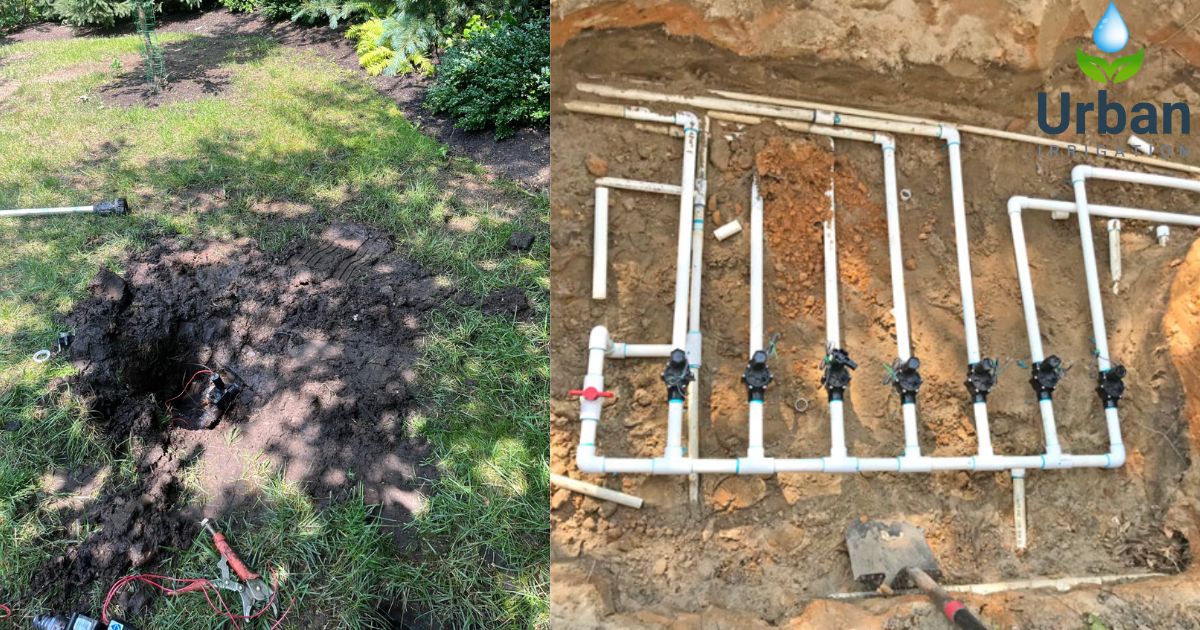
Systems that connect to your home’s main water line need careful work. These connections can cause leaks or damage if done wrong. Only someone with plumbing experience should handle this.
Installing Backflow Prevention Devices
Backflow devices stop dirty water from entering your clean water supply. Installing them requires skill and knowledge of local rules. A professional plumber can install these safely and legally.
Large Or Complex Irrigation Systems
Big systems with many zones or timers can be hard to set up. Professionals know how to design and install these efficiently. This helps avoid wasted water and keeps everything working well.
Local Building Codes And Permits
Some areas need permits for irrigation work. Rules can differ and may be hard to understand. Hiring a professional ensures your system meets all laws.
Basic System Installation
Small, simple systems can be installed without a plumber. These often use easy-to-connect parts and do not touch main water lines. Homeowners can save money by doing this work themselves.
Common Mistakes To Avoid
Installing an irrigation system helps keep plants and grass healthy. Many people wonder if they must be a plumber to do this job. The truth is, you can install an irrigation system with some basic knowledge and tools. Still, it is important to avoid common mistakes. These mistakes can cause leaks, poor water flow, or damage to your garden.
Poor Planning Of The Layout
Not planning the pipe and sprinkler layout can waste water. It also causes uneven watering. Take time to measure your garden. Draw a simple map showing where pipes and sprinklers will go. This step helps to cover all areas without overlap.
Using Wrong Pipe Sizes
Pipes that are too small reduce water pressure. Pipes that are too large waste money. Use pipes recommended for irrigation systems. Usually, ¾ inch to 1 inch pipes work well for home gardens.
Ignoring Water Pressure Limits
Water pressure that is too high or too low affects system performance. Check your home’s water pressure before installing. Use a pressure regulator if needed to keep water flow steady.
Skipping Proper Pipe Connections
Loose or wrong connections cause leaks and damage. Use the right fittings and sealants. Tighten connections carefully but do not over-tighten.
Not Testing The System Before Covering Pipes
Testing helps find leaks or blockages early. Run water through the system before burying pipes. Fix any issues before finishing installation.
Ignoring Local Rules And Permits
Some areas require permits for irrigation work. Check local rules before starting. Following rules avoids fines and future problems.
Failing To Use Quality Materials
Cheap parts may break or wear out fast. Choose good quality pipes, valves, and sprinklers for long-lasting use.
Lack Of Regular Maintenance
Systems need checking each season. Clear clogs, fix leaks, and adjust sprinklers. Regular care keeps your system working well.
Cost Considerations
Installing an irrigation system can save water and time. Many wonder if hiring a plumber is necessary for this job. Costs can change a lot depending on who does the work and how complex the system is.
Labor Costs
Hiring a plumber usually costs more than doing it yourself. Plumbers charge for their skills and time. DIY installation saves money but needs effort and some skill.
Material Costs
Materials include pipes, valves, sprinklers, and timers. Buying good quality parts can cost more but lasts longer. Cheaper parts may save money now but break easily.
Possible Extra Expenses
- Permits: Some areas require permits for irrigation work.
- Repairs: Mistakes can cause leaks or damage that cost more to fix.
- Tools: Special tools may be needed, adding to expenses.
Comparing Costs
Expense Type | DIY Installation | Professional Plumber |
Labor | Free (your time) | $50 – $100 per hour |
Materials | $100 – $500 | $100 – $500 |
Permits | Varies | Usually included |
Tools | $20 – $100 (if needed) | Included |
Repairs | Possible extra cost | Usually covered |
Frequently Asked Questions
Do I Need Plumbing Skills To Install An Irrigation System?
Basic plumbing skills help but are not required to install an irrigation system. Many systems come with clear instructions and simple parts. You can learn as you go or watch tutorial videos.
Can I Install An Irrigation System By Myself?
Yes, many homeowners install irrigation systems themselves. It takes time and patience but is doable with the right tools. Planning the layout and following instructions carefully is key.
What Tools Are Needed For Irrigation System Installation?
Common tools include a shovel, pipe cutter, and screwdriver. You might also need a wrench and pliers. Most irrigation kits list the needed tools in their manuals.
Conclusion
Installing an irrigation system does not always need a plumber. Many people can do it with basic tools and clear instructions. Knowing how pipes and water flow work helps a lot. Mistakes can cause leaks or poor water coverage, so take care.
For complex setups, a plumber’s skill might save time and money. Simple systems often suit beginners well. Think about your comfort level and the system size before starting. Taking time to plan makes the job easier. You can enjoy a healthy garden with good watering.
Leave A Comment