
What is the Best Irrigation System for Residential Lawns? Expert Guide
Are you tired of spending hours watering your lawn without seeing the results you want? Choosing the best irrigation system for your residential lawn can save you time, money, and effort while keeping your grass green and healthy.
But with so many options available, how do you know which one is right for you? This guide will help you understand the top irrigation systems, so you can make a smart choice that fits your lawn’s needs and your lifestyle.
Keep reading to discover how to make your lawn care easier and more effective starting today.
Types Of Residential Irrigation Systems
Having a healthy lawn needs good watering. Choosing the right irrigation system helps save water and keeps grass green. Different systems fit different lawns and budgets. Understanding each type makes it easier to pick the best one for your home.
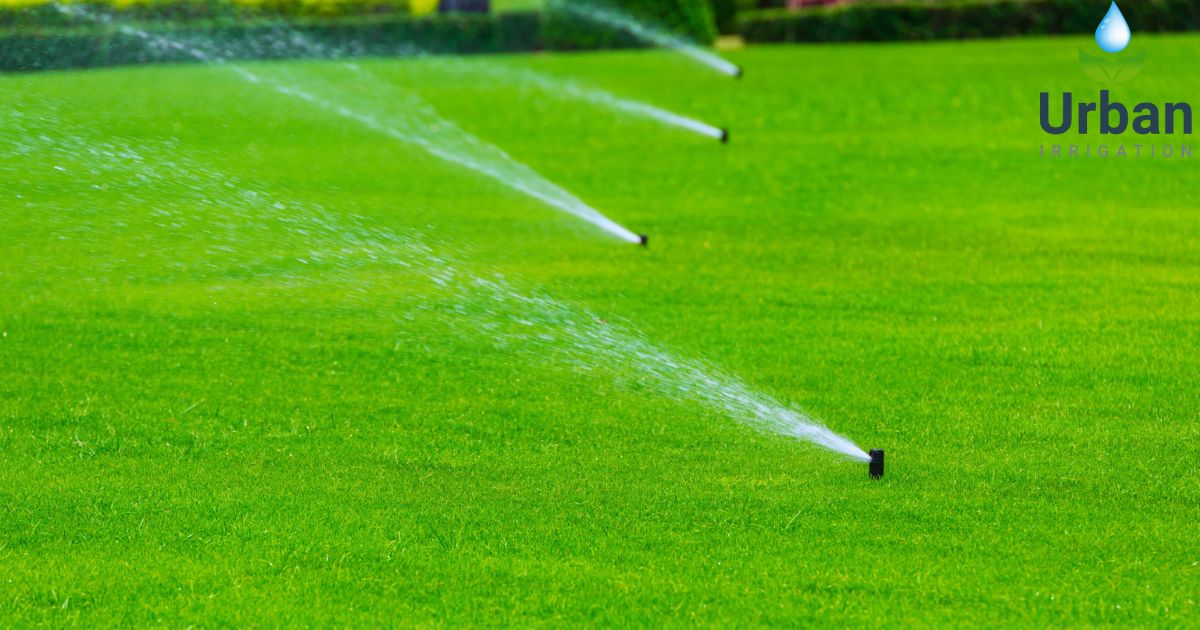
Sprinkler systems spray water over the lawn like rain. They cover large areas quickly. These systems can be automatic or manual.
- Automatic sprinklers turn on and off by a timer.
- Manual sprinklers need someone to move and control them.
- Good for medium to large lawns.
- Can waste water if not set properly.
Drip Irrigation Systems
Drip irrigation delivers water directly to plant roots. It uses tubes with small holes.
- Water goes slowly and avoids evaporation.
- Best for flower beds and gardens.
- Uses less water than sprinklers.
- Needs more maintenance to keep tubes clear.
Soaker Hose Systems
Soaker hoses are porous hoses that let water seep out slowly. They work well for narrow planting areas.
- Easy to install and move.
- Water goes deep into soil.
- Good for shrubs and garden rows.
- Not ideal for large lawn areas.
Manual Watering
Manual watering uses a hose or watering can. It gives full control over watering.
- Requires time and effort.
- Good for small lawns or gardens.
- Can waste water if not careful.
- Easy to check plants’ needs directl
Sprinkler Systems
Choosing the best irrigation system helps keep a lawn green and healthy. Sprinkler systems are a popular choice for many homes. They deliver water evenly across the lawn. Different types of sprinklers fit different lawn sizes and shapes. Understanding these types helps pick the right one for a home.
Pop-up Sprinklers
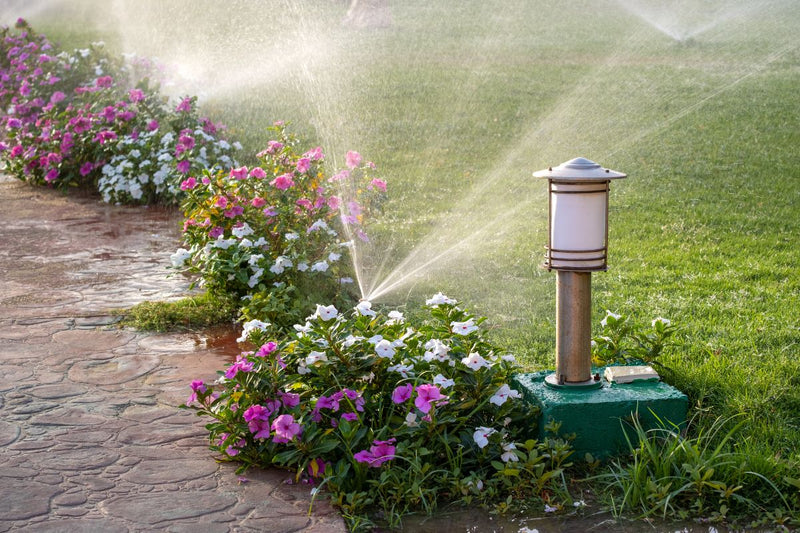
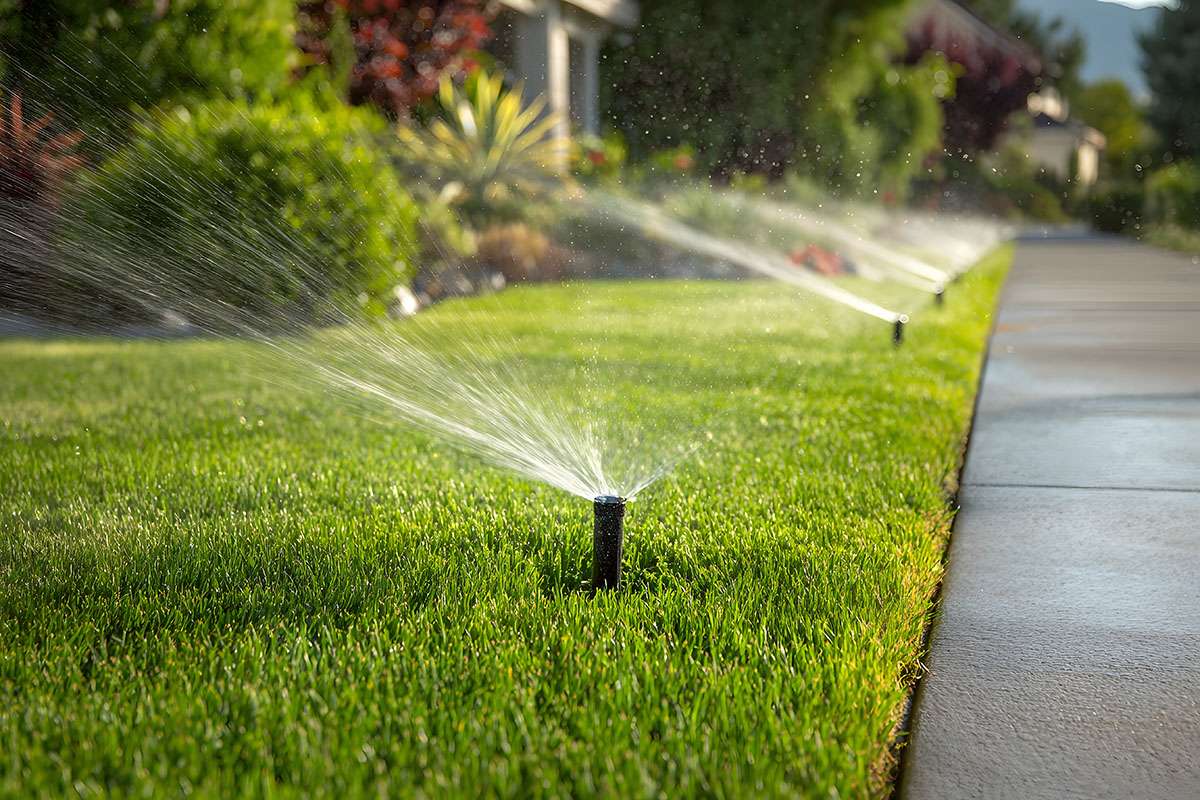
Pop-up sprinklers are small devices that stay hidden under the ground when off. They rise above the soil to spray water when the system runs. These sprinklers work well for lawns with grass and flower beds. They provide even water coverage and reduce water waste.
Key benefits of pop-up sprinklers include:
- Hidden design: They do not block lawn activities when not watering.
- Adjustable spray patterns: Can spray water in different shapes and sizes.
- Easy to install: Works well with underground irrigation pipes.
- Good for small to medium lawns: Covers areas efficiently without overwatering.
Pop-up sprinklers come in different spray types:
Spray Type | Description | Best Use |
Fixed Spray | Sprays water in a fixed arc or circle. | Small areas, flower beds, borders. |
Rotating Spray | Sprays water in a rotating motion for even coverage. | Larger lawns, medium-sized areas. |
Rotor Sprinklers
Rotor sprinklers spray water in a rotating stream. They cover larger areas than pop-up sprinklers. These sprinklers move water in a circle or part of a circle. Rotor sprinklers are common for big lawns or gardens.
Advantages of rotor sprinklers include:
- Wide coverage: Can water a large lawn with fewer sprinklers.
- Adjustable rotation: Spray angle and distance can be changed.
- Good water distribution: Reduces dry spots and overwatered areas.
- Durability: Often built with strong materials for outdoor use.
Rotor sprinklers come in different types based on their rotation and spray distance:
Type | Rotation | Coverage Radius | Best For |
Gear-Driven | Smooth rotation | 30 to 50 feet | Medium to large lawns |
Impact | Intermittent rotation with clicking sound | 40 to 70 feet | Large lawns and parks |
Drip Irrigation
Irrigation systems help keep residential lawns green and healthy. Choosing the right system saves water and time. Drip irrigation is one popular option. It delivers water directly to the roots of plants. This system uses tubes with small holes or emitters. It reduces water waste and helps plants grow better. Many homeowners prefer drip irrigation for its efficiency and ease of use.
Benefits For Lawns
Drip irrigation offers many benefits for residential lawns. It gives water slowly and evenly to the soil. This helps grass roots grow deep and strong. The water goes right where the plants need it most. This reduces water loss from evaporation or runoff.
Key benefits include:
- Water savings: Uses up to 50% less water than sprinklers.
- Healthier grass: Prevents overwatering and keeps roots moist.
- Less weed growth: Water stays in targeted areas, not on weeds.
- Reduced soil erosion: Slow water flow avoids washing away soil.
- Flexibility: Easy to adjust for different lawn sizes and shapes.
Drip irrigation also helps reduce lawn diseases. It keeps grass leaves dry. Wet leaves can cause fungus and other problems. The system works well in both small and large lawns. It can be used alone or with other watering methods.
Installation Tips
Installing a drip irrigation system requires some planning. Start by measuring your lawn area carefully. This helps to buy the right amount of tubing and emitters. Plan the layout so water reaches all parts of the lawn.
Steps for installation:
- Choose the main water source: Connect to an outdoor faucet or irrigation valve.
- Lay out tubing: Place the main line along the lawn edges and branches near plants.
- Install emitters: Attach small holes or drippers close to grass roots.
- Add a pressure regulator: Keeps water flow steady to prevent damage.
- Test the system: Turn on water and check for leaks or dry spots.
Use stakes to keep tubing in place. Cover tubing with mulch or soil to protect it. Regularly check for clogs or damage. Clean emitters when needed to keep water flowing smoothly.
Simple tools like scissors and pliers make the job easier. Most parts are available at garden stores. With careful setup, drip irrigation can save water and keep lawns green.
Soaker Hoses
Soaker hoses are a simple way to water lawn plants deeply. They let water slowly seep out along their length. This helps keep the soil moist without wasting water. Soaker hoses work well in many garden types, especially for lawns.
How Soaker Hoses Work
A soaker hose looks like a normal garden hose but has tiny holes. Water flows out gently through these holes. The water moves directly into the soil near plants. This stops water from running off or evaporating quickly.
Benefits Of Soaker Hoses
- Water Efficiency: Uses less water by watering slowly.
- Healthy Plants: Keeps roots moist without soaking leaves.
- Easy to Use: Lay the hose on the ground and turn on water.
- Cost-Effective: Usually cheaper than sprinkler systems.
- Reduces Weed Growth: Water only where plants grow.
Best Uses For Soaker Hoses
Ideal for flower beds, vegetable gardens, and small lawns. Works great for plants that like slow, deep watering. Not the best choice for large lawns that need wide coverage.
Tips For Using Soaker Hoses
- Place hose close to plant roots for best results.
- Cover hose with mulch to keep moisture in.
- Check for clogs or leaks regularly.
- Use a timer to control watering time easily.
Smart Irrigation Controllers
Choosing the best irrigation system for residential lawns helps save water and keeps grass green. Smart irrigation controllers are popular for home use. They adjust watering based on weather and soil. These systems make lawn care easier and more efficient. They help avoid watering too much or too little. Smart controllers often include useful features that save time and money. Understanding these features can help pick the right system for any lawn.
Weather-based Sensors
Weather-based sensors change watering schedules by checking current weather. They stop watering if it has rained enough. These sensors use local weather data or measure soil moisture. This helps save water and keeps plants healthy.
Key benefits of weather-based sensors:
- Water savings: Water only when needed, reducing waste.
- Better lawn health: Prevents overwatering or underwatering.
- Automatic adjustments: Changes watering times with weather shifts.
- Easy to use: Most sensors work without manual input.
Here is a simple comparison of common sensor types:
Sensor Type | How It Works | Advantages | Limitations |
Rain Sensor | Detects rainfall and stops watering. | Simple, stops watering after rain. | Does not measure soil moisture. |
Soil Moisture Sensor | Measures water content in soil. | Water only when soil is dry. | Needs installation in soil. |
Weather Station | Uses local weather data online. | Adjusts for temperature, rain, humidity. | Requires internet connection. |
Remote Control Features
Remote control features let users manage irrigation from anywhere. Using a smartphone or computer, watering schedules can be changed quickly. This adds great convenience and control for homeowners.
Benefits of remote control features include:
- Easy scheduling: Set or change watering times anytime.
- Real-time changes: Adjust for sudden weather changes.
- Water monitoring: Check water usage from your device.
- Notifications: Alerts for system problems or watering status.
Remote control systems work with Wi-Fi or Bluetooth. Some models connect to home automation systems for extra features. These systems are helpful for busy homeowners or those away from home often.
Example features of remote irrigation control:
- Start or stop watering remotely.
- Adjust watering duration for each zone.
- Receive alerts if a leak is detected.
- Track water use to reduce bills.
Water Efficiency Considerations
Choosing the best irrigation system for residential lawns means thinking about water use. Water efficiency is very important to save water and keep lawns healthy. The right system helps use water well. It prevents waste and keeps the grass green. Good water use also lowers water bills and helps the environment. Understanding how to water lawns smartly is key for a good irrigation system.
Scheduling And Timing
Setting the right watering schedule is very important. Watering at the right time helps the soil soak water better. This means less water is lost to evaporation or runoff. Early morning is the best time to water lawns. The air is cooler, and less water evaporates. Late evening watering can cause leaves to stay wet overnight. This can lead to fungus and disease.
Some important tips for watering schedules:
- Water lawns 2 to 3 times a week, not every day.
- Water deeply for about 20 to 30 minutes to reach roots.
- Avoid watering during windy days to reduce water loss.
- Adjust watering times based on weather and season changes.
Here is a simple watering schedule example:
Day | Time | Duration |
Monday | 6:00 AM | 25 minutes |
Thursday | 6:00 AM | 25 minutes |
Sunday | 6:00 AM | 25 minutes |
Preventing Runoff
Runoff happens when water flows off the lawn instead of soaking in. This wastes water and can cause soil erosion. Preventing runoff helps water reach grass roots where it is needed most. One way to stop runoff is to water slowly. This allows water time to soak into the soil. Using drip irrigation or soaker hoses also helps reduce runoff.
Other ways to prevent runoff include:
- Dividing watering time into shorter sessions with breaks.
- Checking soil type and adjusting watering accordingly. Sandy soil needs more frequent watering than clay soil.
- Using mulch to keep soil moist and reduce water loss.
- Fixing any low spots where water pools and flows away quickly.
Here is a table showing watering rates that reduce runoff:
Soil Type | Recommended Watering Rate | Notes |
Sandy Soil | 0.25 inches per hour | Water more often in short cycles |
Loamy Soil | 0.5 inches per hour | Water less often, deeper soak |
Clay Soil | 0.1 inches per hour | Water very slowly to avoid runoff |
Cost And Maintenance Factors
Choosing the best irrigation system for a residential lawn depends on many things. One key factor is cost and maintenance. Understanding these helps homeowners pick a system that fits their budget and time. This guide explains the initial investment and ongoing upkeep of different irrigation options. It helps you see what to expect before buying and using an irrigation system.
Initial Investment
Starting an irrigation system needs money for parts and installation. The amount can vary a lot based on the system type. Some systems cost more but save water and time later. Others are cheaper upfront but need more work over time.
Here are common types and their average initial costs:
Irrigation Type | Average Cost Range (USD) | Notes |
Sprinkler System (In-ground) | $2,000 – $4,000 | Needs professional installation; covers large areas. |
Drip Irrigation | $500 – $1,500 | Good for small gardens; saves water. |
Soaker Hoses | $50 – $150 | Easy to install; low cost but less durable. |
Manual Watering (Hose & Sprayer) | $20 – $100 | Lowest cost; high time and effort needed. |
Installation costs may add to these amounts, especially for in-ground systems. Professional help ensures proper setup and long life. DIY installation can save money but may cause mistakes.
Deciding on the system depends on your lawn size, budget, and water needs. A higher initial cost might mean better water efficiency and less work later.
Ongoing Upkeep
All irrigation systems need regular care. This keeps them working well and saves water. Maintenance costs and time vary by system type.
Common upkeep tasks include:
- Checking for leaks or broken parts.
- Cleaning filters and nozzles.
- Adjusting timers and watering schedules.
- Winterizing systems in cold climates.
Here is a simple comparison of upkeep needs:
Irrigation Type | Maintenance Frequency | Typical Tasks | Estimated Annual Cost |
Sprinkler System (In-ground) | Seasonal and monthly | System check, repairs, timer adjustment | $100 – $300 |
Drip Irrigation | Monthly | Flush lines, replace emitters | $50 – $150 |
Soaker Hoses | Occasional | Check for cracks, clean hoses | $10 – $50 |
Manual Watering | Daily during use | Monitor hose and sprayer | Minimal |
Proper upkeep prevents water waste and system damage. It also keeps your lawn healthy. Systems with automatic timers may need less daily attention but still require seasonal checks.
Choosing a system that matches your ability to maintain it helps avoid extra costs and frustration. Simple systems need less money but more time. Complex systems save time but cost more to fix.
Choosing The Right System For Your Lawn
Choosing the right irrigation system helps keep your lawn green and healthy. Many types of systems exist, but the best one depends on your lawn’s needs. This guide explains how to pick a system that fits your lawn size, shape, soil, and climate. Knowing these factors saves water and money while keeping your grass happy.
Lawn Size And Shape
The size of your lawn affects the type of irrigation system you need. A small lawn may only need a simple drip or sprinkler system. Large lawns often require more complex systems with multiple zones. The shape matters too. Irregular shapes might need adjustable sprinklers or drip lines to water all areas evenly.
Key points to consider:
- Small Lawns: Simple sprinkler heads or drip irrigation work well.
- Medium Lawns: Multiple sprinkler zones may be needed for full coverage.
- Large Lawns: Automated systems with timers and zones save time and water.
- Irregular Shapes: Adjustable sprinklers or drip lines help reach all spots.
Below is a simple table to help match lawn size with irrigation type:
Lawn Size | Recommended Irrigation System |
Small (under 1,000 sq ft) | Manual or simple sprinkler, drip irrigation |
Medium (1,000 – 5,000 sq ft) | Automatic sprinklers with zones |
Large (over 5,000 sq ft) | Advanced automatic systems with multiple zones |
Soil Type And Climate
Soil type affects how water moves and stays in the ground. Sandy soil drains water quickly, so it needs more frequent watering. Clay soil holds water longer but drains slowly. This means watering less often but for longer times. The climate also plays a big role. Dry climates need irrigation systems that save water. Wet climates may require less watering and better drainage.
Important soil and climate tips:
- Sandy Soil: Water often but in smaller amounts.
- Clay Soil: Water less often but for longer periods.
- Dry Climate: Use drip irrigation or smart systems to save water.
- Wet Climate: Avoid overwatering; check drainage.
Matching soil and climate to your irrigation can help plants grow better and reduce water waste. Smart controllers that adjust watering based on weather can be a good choice for many climates.
Frequently Asked Questions
What Type Of Irrigation System Saves The Most Water For Lawns?
Drip irrigation uses less water by delivering it directly to roots. This reduces waste from evaporation and runoff. It’s ideal for small to medium-sized lawns.
How Does An Automatic Sprinkler System Benefit Residential Lawns?
Automatic sprinklers save time by watering lawns on a schedule. They ensure even coverage and prevent overwatering. This keeps grass healthy and green.
Which Irrigation System Is Easiest To Install For Home Lawns?
Sprinkler systems are often the easiest for DIY installation. They require simple setup and can cover large areas quickly. Homeowners can adjust them as needed.
Conclusion
Choosing the right irrigation system saves water and keeps grass healthy. Sprinklers suit large lawns, while drip systems fit small or garden areas. Timers help water efficiently and reduce waste. Think about your lawn size, budget, and local climate. A good system makes lawn care easier and saves time.
Start with what fits your needs best. Your lawn will thank you with green, strong grass all year. Simple steps bring great results.
Leave A Comment