
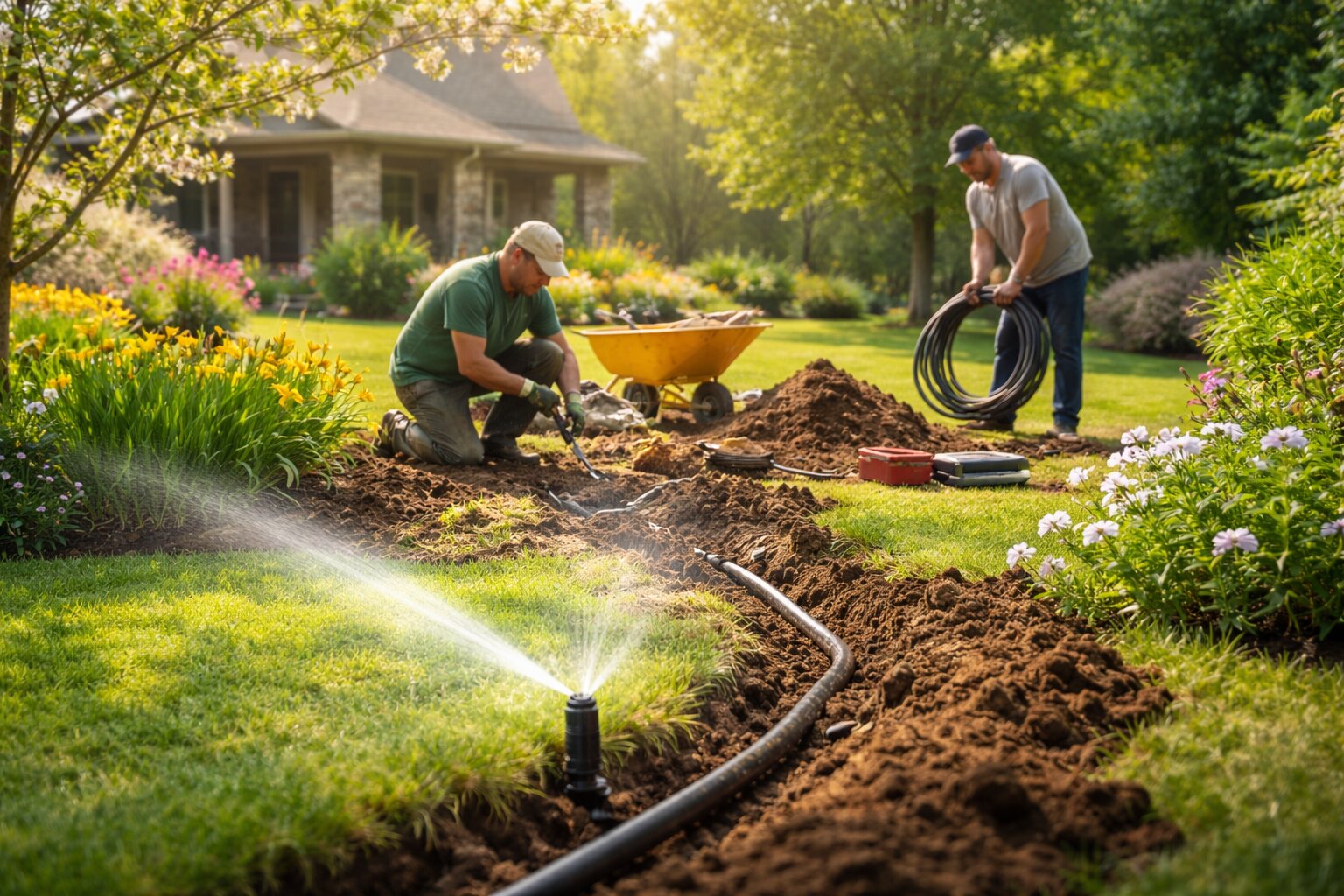
What is the Best Time of Year to Install an Irrigation System in Massachusetts? Expert Tips
Are you thinking about installing an irrigation system to keep your Massachusetts lawn green and healthy? Choosing the right time to install it can make a big difference in how well it works and how much you spend.
You want your system to be ready when your plants need water the most, without causing any damage or delays. You’ll discover the best time of year to install an irrigation system in Massachusetts—so you can save money, avoid headaches, and enjoy a lush yard all season long.
Keep reading to find out exactly when to schedule your installation for the best results.
Climate Patterns In Massachusetts
Choosing the right time to install an irrigation system can save money and effort. Massachusetts has a unique climate with cold winters and warm summers. This affects when the ground is soft enough for digging and when plants need water the most. Understanding the weather and soil conditions helps in picking the best season for installation.
Seasonal Weather Overview
Massachusetts experiences four distinct seasons: cold winters, mild springs, warm summers, and cool falls. Winters bring snow and frozen ground. Spring sees melting snow and more rain. Summer is warm and often dry. Fall cools down with some rain before winter starts again. Each season affects soil and water needs differently.
Winter Conditions
Winter months are very cold in Massachusetts. The ground freezes, making digging almost impossible. Snow covers the soil, and temperatures often drop below freezing. Installing irrigation systems in winter is difficult because the pipes can freeze and break. The frozen ground also stops water from soaking in.
Spring Weather And Soil
Spring is the best time to install irrigation systems. The ground thaws and becomes soft enough for digging. Rainfall is usually higher, which helps new plants grow. Soil moisture is good, making it easier to test and adjust irrigation settings. Installing in spring allows the system to be ready for summer heat.
Summer Climate Impact
Summer brings warm temperatures and dry spells. Plants need more water during this time. Installing an irrigation system in summer can be done, but the ground is often hard and dry. Digging is tougher, and installation may take longer. Also, there is less time to fix problems before plants need water.
Fall Season Considerations
Fall is cooler and wetter than summer. Soil is still warm but gets softer with rain. Installing irrigation systems in fall is possible but less common. The system may not be used much before winter. There is a risk of frost and frozen pipes if installation happens too late.
Soil Conditions And Their Impact
Installing an irrigation system at the right time is very important. The weather and soil in Massachusetts change a lot during the year. This affects how well the system will work. Knowing the best season helps avoid problems and saves money. It also makes sure the plants get enough water.
Understanding Massachusetts Soil Types
Soil in Massachusetts varies from sandy to clay types. Sandy soil drains water quickly but holds less moisture. Clay soil holds water longer but drains slowly. Loam soil is a mix and is best for plants. Knowing soil type helps choose the right irrigation system and set it up properly.
Soil Moisture Levels In Different Seasons
Soil moisture changes with seasons. In spring, soil is moist from melting snow and rain. Summer can dry the soil quickly, especially in sandy areas. Fall brings more rain, which keeps soil wet. Winter freezes the soil, stopping water flow. Installing irrigation is easiest when soil is neither too wet nor frozen.
How Soil Temperature Affects Installation
Soil temperature matters for irrigation work. Cold, frozen soil is hard to dig and can damage pipes. Warm soil is softer and easier to work with. The best time to install is when soil is warm but not too dry, usually late spring or early fall in Massachusetts.
Preventing Soil Erosion During Installation
Soil erosion can happen during installation. Loose soil may wash away with rain or wind. To prevent this, install systems when soil is stable. Using mulch or grass can help hold soil in place. Avoid working after heavy rain to keep soil firm.
Seasonal Weather Considerations
Installing an irrigation system in Massachusetts needs good timing. The weather changes a lot during the year. Knowing the right season helps the system work well and last long. Cold winters and warm summers affect the soil and plants. Choosing the best time means fewer problems and easier work.
Spring: Ideal For Installation
Spring is the best season to install irrigation systems in Massachusetts. The ground starts to warm up and thaw, making digging easier. Plants begin to grow, so watering needs increase. Installing in spring allows the system to be ready for summer.
Soil conditions: Soft and moist soil helps with trench digging.
Weather: Mild temperatures reduce risk of frost damage.
Benefits: System can be tested before hot weather arrives.
Summer: Use With Caution
Summer is warm and dry in Massachusetts. This season needs more watering. However, installing during summer can be hard due to dry, hard soil. Digging may be difficult and time-consuming. Also, plants may suffer if water is off for long.
Soil conditions: Hard and dry soil makes digging tough.
Weather: Hot temperatures increase plant stress.
Considerations: Installation may harm growing plants.
Fall: Good For Preparation
Fall offers cooler temperatures and softer soil from autumn rains. It is a good time to install irrigation systems. The ground is easier to work with. Installing in fall prepares the system for next spring and summer.
Soil conditions: Moist and soft from rain.
Weather: Cooler, less stressful for plants.
Benefits: System can be winterized properly.
Winter: Not Recommended
Winter in Massachusetts is cold with frozen ground. Installing irrigation systems is very hard during this time. Frozen soil is tough to dig. Pipes and equipment can freeze and break. It is best to avoid installation in winter.
Soil conditions: Frozen and hard.
Weather: Cold with snow and ice.
Risks: Equipment damage and installation delays.
Benefits Of Spring Installation
Installing an irrigation system at the right time helps save money and water. Spring is often the best season to set up irrigation in Massachusetts. The weather is mild, and the soil is ready for new plants. Starting early means your lawn and garden stay healthy all summer.
Easy Ground Conditions
During spring, the soil is soft and moist. This makes digging and installing pipes easier. Hard or frozen ground can delay work in other seasons. Spring’s mild weather reduces installation problems.
Better Plant Growth
Plants need water most during the growing season. Installing irrigation in spring helps plants get water from the start. Newly planted grass and flowers grow stronger with regular watering.
Longer Use Of The System
Starting irrigation in spring means it works all summer long. You get more use from your system before fall arrives. This makes your investment more valuable over time.
Weather Advantages
Weather Factor | Spring Benefits |
Temperature | Cooler, less chance of heat stress during installation |
Rainfall | Moderate rain helps settle the soil after installation |
Daylight | Longer days allow more working hours |
Cost Savings
Hiring installers in spring is often cheaper than in summer. There is less demand for irrigation work early in the year. Lower prices and better scheduling options are common.
Advantages Of Fall Installation
Installing an irrigation system in Massachusetts is easier in the fall. The weather is cooler and the ground is softer. This helps the work go faster and with less damage to your yard. Fall also gives time to fix any problems before the dry summer months. Many homeowners find fall the best time to prepare their gardens for next year.
Soil Conditions Are Better In Fall
The soil in fall is usually moist from rain and cooler temperatures. This makes it easier to dig and place irrigation pipes. Dry, hard soil in summer or frozen soil in winter can cause delays. Soft soil means less heavy equipment is needed. This keeps your yard looking nice during installation.
Less Plant Stress During Installation
Plants do not need much water in the fall. Installing irrigation then causes less stress to them. Roots can heal faster because the weather is mild. Your lawn and garden stay healthy while work is done. This helps plants grow strong before winter.
Time To Test The System Before Summer
Installing in fall allows time to check the system. You can find leaks or blockages early. Repairs happen before the hot summer months. This saves water and avoids plant damage. Testing early means the system works well when plants need it most.
Cost And Scheduling Benefits
Benefit | Explanation |
Lower Installation Costs | Fall is less busy for contractors, often lowering prices. |
Easier Scheduling | More appointment slots available in fall than in spring. |
Better Preparation | System ready before high-demand summer months. |
Avoiding Winter And Summer Challenges
Installing an irrigation system in Massachusetts takes some planning. The weather changes a lot during the year. Some seasons make installation hard or less effective. Choosing the right time helps the system work well. It also saves money and effort.
Winter Weather Problems
Winter in Massachusetts is cold and snowy. Ground often freezes, making digging very hard. Frozen soil can damage pipes and equipment during installation. Snow covers the ground, hiding spots for pipes. This makes work slower and more difficult.
Installing in winter may cause delays. Equipment can break if not handled well in cold. Also, it is uncomfortable and unsafe for workers. These problems can increase the cost and time of the project.
Summer Heat And Water Use
Summer is hot and dry in Massachusetts. This is when plants need the most water. Many people use water for lawns and gardens. Water restrictions may be in place to save water. This can limit irrigation system tests after installation.
High temperatures make working outside harder. Heat can cause stress for workers and damage some materials. It is also the busiest time for irrigation companies. This can lead to higher prices and longer waiting times.
Ideal Seasons For Installation
Spring and fall are the best times to install. The ground is soft but not frozen. Temperatures are mild and more comfortable for work. Plants are growing, so irrigation helps them start well.
These seasons have less water use restrictions. It is easier to test and adjust the system. Companies are less busy, which can lower costs. Installation can be faster and smoother.
Summary Of Seasonal Factors
Season | Challenges | Benefits |
Winter | Frozen ground, snow, equipment damage, safety issues | None suitable |
Summer | Heat stress, water restrictions, busy schedules | Plants need more water |
Spring | Some rain, mild temperatures | Soft ground, easy work, good plant growth |
Fall | Cooling temperatures, some rain | Soft ground, less busy, good for installation |
Preparation Steps Before Installation
Installing an irrigation system in Massachusetts needs good timing and planning. The best time depends on the weather and soil conditions. Early spring or late summer often works well. These seasons help avoid frozen ground or very dry soil. Proper preparation makes the installation easier and the system lasts longer.
Check Local Weather And Soil Conditions
Weather in Massachusetts changes a lot. Choose a time with mild temperatures and no frost. Soil should be soft enough to dig without problems. Wet or frozen ground can cause delays and damage. Spring after the last frost and late summer before the first frost are good choices.
Plan Your Irrigation Layout
Know your garden or lawn size. Measure the area carefully. Decide where to place sprinkler heads, valves, and pipes. Mark the spots on a map or drawing. This plan helps avoid mistakes and extra work during installation.
Get Necessary Permits
Check local rules for irrigation systems. Some towns in Massachusetts require permits before installation. Contact local authorities or water departments. Getting permits early saves time and prevents fines.
Gather Tools And Materials
Make a list of needed tools and parts. Common items include pipes, sprinkler heads, valves, and timers. Also prepare shovels, pipe cutters, and a trenching tool. Having everything ready speeds up the installation process.
Inspect Your Water Source
Check the water supply pressure and flow. Your irrigation system needs enough water to work well. Low pressure can reduce coverage. Consider adding a booster pump if needed. Make sure the main water shut-off valve is easy to reach.
Maintenance Tips Post-installation
Taking care of your irrigation system after installation is very important. Proper care helps it work well and last longer. This guide shares simple tips to keep your system in good shape all year.
Regular Inspection
Check the system often for leaks, broken parts, or clogs. Look at sprinkler heads and pipes. Fix small problems quickly to avoid big damage later.
Inspecting once a month is a good habit. It saves water and money.
Seasonal Adjustments
Change the watering schedule based on the season. Plants need more water in summer and less in fall or spring. Winter usually needs no watering.
Adjust timers to fit the weather. This helps plants stay healthy and saves water.
Cleaning And Flushing
Clean sprinkler heads and filters regularly. Dirt can block water flow. Flushing the system removes dirt and debris inside pipes.
Do this before the watering season starts and after it ends for best results.
Winterizing The System
Prepare your irrigation system for cold weather. Water inside pipes can freeze and cause cracks. Drain all water and use air blowers if needed.
Winterizing protects your system and prevents costly repairs in spring.
Professional Checkups
Have a professional inspect your system yearly. Experts can find hidden problems and fix them properly. This keeps your system running smoothly.
Frequently Asked Questions
What Is The Ideal Month To Install Irrigation In Massachusetts?
The best time is late spring, around May or early June. The ground is warm, and the risk of frost is low. This timing helps plants absorb water well.
Can Irrigation Be Installed During Massachusetts Winters?
Installing irrigation in winter is not recommended. Frozen ground and snow make digging and pipe laying difficult. Wait until the soil thaws in spring for best results.
How Does Seasonal Weather Affect Irrigation Installation?
Weather affects soil softness and water needs. Spring offers mild temperatures and moist soil, ideal for installation. Summer heat can stress plants and harden soil, making work harder.
Is Early Fall Good For Irrigation Installation In Massachusetts?
Early fall is a decent option if missed in spring. Soil is still warm, allowing good water flow. Avoid late fall, as cold weather can damage new systems.
Conclusion
The best time to install an irrigation system in Massachusetts is spring or early fall. The weather is mild, making installation easier and faster. Soil is softer, helping pipes and sprinklers fit well. Installing before summer saves water and keeps your lawn green.
Avoid winter months due to frozen ground and delays. Plan ahead to enjoy a healthy, well-watered yard all season. Choose the right time and keep your plants happy. Simple steps lead to better results.
Leave A Comment