
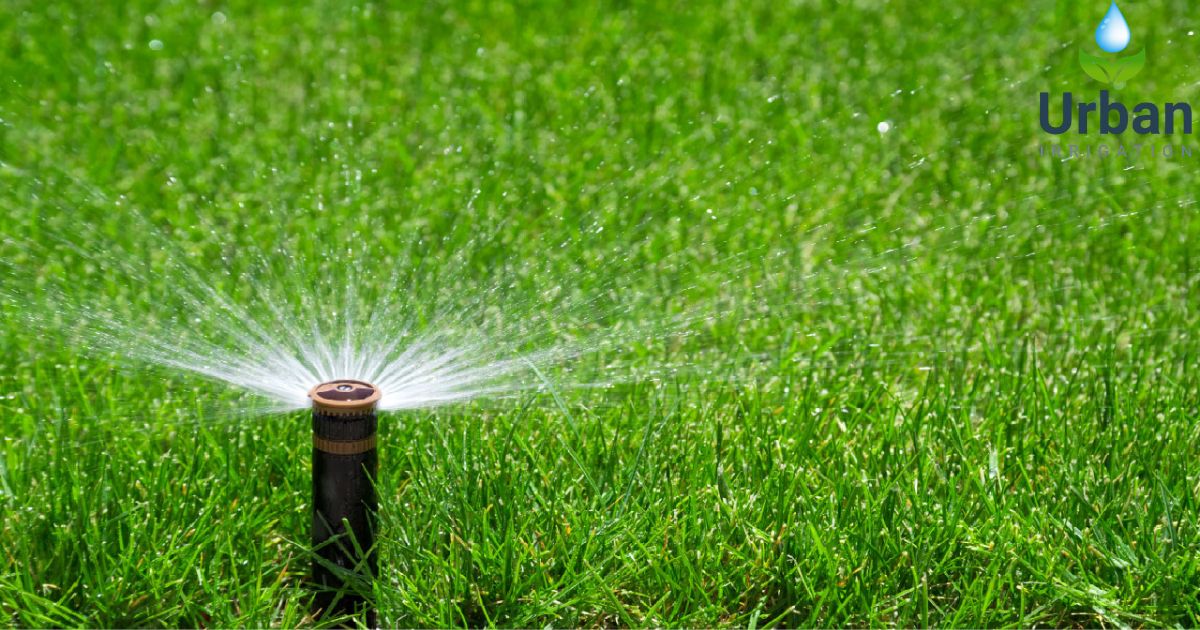
How to Maintain a Lawn Sprinkler System for Long-Term Performance? Expert Tips
Keeping your lawn sprinkler system in top shape is easier than you might think. If you want your grass to stay green and healthy without wasting water or money, knowing how to maintain your sprinkler system is key.
You don’t have to be a pro or spend hours on repairs. With a few simple steps, you can make sure your system runs smoothly year after year. Ready to learn how to protect your investment and enjoy a beautiful lawn?
Keep reading, and you’ll discover practical tips that save you time, effort, and frustration.
Choosing The Right Sprinkler System
A good sprinkler system keeps your lawn green and healthy. Picking the right one is very important. Different lawns need different types of sprinklers. The right system saves water and works well for a long time.
Types Of Sprinkler Systems
There are three common sprinkler systems. Each works best in certain places.
- Fixed Spray Sprinklers: Good for small, flat lawns. Spray water in a set pattern.
- Rotary Sprinklers: Best for large areas. They rotate and cover more space.
- Drip Irrigation: Saves water by watering plants slowly at the roots.
Consider Lawn Size And Shape
Match the sprinkler to your lawn size. Small yards do well with fixed sprays. Big or oddly shaped lawns need rotary sprinklers or drip systems. This helps water reach all parts evenly.
Water Pressure And Flow Rate
Check your home’s water pressure before buying a system. Low pressure means sprinklers may not work well. High pressure might damage the system. Use a pressure regulator if needed.
Material And Durability
Choose sprinklers made of strong materials like brass or high-quality plastic. These last longer and handle outdoor weather better. Cheap parts can break and cause leaks.
Ease Of Installation And Maintenance
Some systems are easy to install and fix. Look for ones with simple parts and clear instructions. This saves time and money over the years.
Cost And Budget
Sprinkler systems come in many price ranges. Set a budget before buying. Remember, a higher price often means better quality and durability.
Regular Inspection Routines
A lawn sprinkler system needs care to work well for a long time. Checking the system often helps find small problems early. This keeps the lawn green and saves water.
Check For Leaks And Broken Sprinkler Heads
Look closely at all sprinkler heads. Cracks or leaks waste water. Replace or fix broken parts quickly. Wet spots on the lawn may show leaks below the surface.
Test The Water Pressure
Water pressure should be just right. Too low or too high pressure hurts the system. Use a pressure gauge to check. Adjust the pressure with a regulator if needed.
Clean The Sprinkler Heads Regularly
Dirt and debris block water flow. Remove and clean each sprinkler head every few months. Use a soft brush or cloth to clear dirt.
Inspect The Control Timer And Settings
Make sure the timer is set properly. Check if watering times match the lawn’s needs. Adjust the schedule for seasons or weather changes.
Look For Damaged Pipes And Valves
Pipes and valves underground can crack or break. Watch for soggy areas or low water pressure. Repair damaged parts to keep water flowing well.
Cleaning Sprinkler Heads
A lawn sprinkler system needs regular care to work well. Dirt and debris can block sprinkler heads. This stops water from spraying properly. Cleaning sprinkler heads keeps the system running smoothly. It helps water reach all parts of the lawn evenly. This saves water and prevents dry spots. Simple cleaning steps can extend your sprinkler’s life.
Why Clean Sprinkler Heads?
Sprinkler heads get clogged by grass, dirt, and bugs. This causes uneven watering. Some areas may get too much water. Others may stay dry. Cleaning stops these problems. It improves water flow and spray pattern. Clean heads also avoid damage to the sprinkler system parts.
Tools Needed For Cleaning
- Small screwdriver to open sprinkler heads
- Soft brush to remove dirt
- Needle or pin to clear nozzles
- Bucket of water to rinse parts
- Towel to dry the heads
Step-by-step Cleaning Process
- Turn off the sprinkler system before cleaning.
- Remove the sprinkler head cap carefully.
- Check inside for dirt, grass, and bugs.
- Use a soft brush to clean the head parts.
- Clear nozzles gently with a needle or pin.
- Rinse the parts with clean water.
- Dry the parts and put the head back.
Signs That Sprinkler Heads Need Cleaning
Problem | What to Look For |
Uneven Watering | Some lawn areas are dry or overwatered |
Weak Spray | Water sprays in a thin or weak stream |
No Water | Sprinkler head does not spray at all |
Visible Dirt | Dirt or grass blocks the sprinkler head |
Adjusting Spray Patterns
A lawn sprinkler system works best when spray patterns are set correctly. Proper adjustment helps water reach all areas without waste. This saves water and keeps your lawn green and healthy.
Check spray patterns regularly. Over time, nozzles may shift or clog. This causes uneven watering or dry spots in your lawn.
Steps To Adjust Spray Patterns
- Turn on the sprinkler system and watch how water sprays.
- Look for dry spots or areas getting too much water.
- Adjust the nozzle direction so water covers the right area.
- Change the spray angle if the nozzle allows.
Replace clogged nozzles to keep water flow steady.
Common Spray Pattern Types
Type | Description | Best For |
Full Circle | Sprays water 360 degrees around the nozzle. | Large, open lawn areas. |
Half Circle | Sprays water in a 180-degree arc. | Edges of lawns or near buildings. |
Quarter Circle | Sprays water in a 90-degree arc. | Corners and tight spaces. |
Tips For Better Spray Adjustment
- Adjust spray patterns during early morning to avoid wind interference.
- Use a screwdriver or key designed for nozzle adjustment.
- Test each sprinkler zone separately to check coverage.
- Replace broken or worn nozzles promptly to avoid damage.
Keep plants and grass trimmed so spray reaches the soil.
Preventing And Repairing Leaks
Keeping a lawn sprinkler system leak-free is key to its success. Leaks waste water and raise bills. Small leaks can turn into big problems fast. Regular checks help catch leaks early. Fixing leaks quickly saves money and water.
How To Find Leaks In Your Sprinkler System
Look for wet spots or soggy areas in your yard. These spots often show where water is leaking. Check sprinkler heads for cracks or damage. Watch for low water pressure or uneven watering. Listen for hissing sounds near pipes underground.
Tools Needed To Repair Leaks
- Shovel: To dig and expose buried pipes
- Pipe cutter or hacksaw: To cut damaged pipes
- Replacement pipes and fittings: To replace broken parts
- Pipe glue or sealant: To join pipes securely
- Wrench or pliers: To tighten fittings
Steps To Repair A Leak
- Turn off the water supply. This stops water flow during repair.
- Dig carefully around the leak area. Avoid further pipe damage.
- Cut out the damaged pipe section. Use the pipe cutter or saw.
- Fit new pipe or connector. Use glue or sealant as needed.
- Tighten all joints. Ensure no gaps or loose parts.
Cover the pipe and turn water back on. Check for leaks again.
Tips To Prevent Future Leaks
- Check sprinkler heads for damage regularly.
- Avoid driving heavy equipment over buried pipes.
- Use proper pressure settings on your system.
- Inspect pipes and fittings each season.
- Repair small cracks or holes quickly.
Winterizing The System
Proper winterizing protects your lawn sprinkler system during cold months. Water left inside can freeze and cause damage. Taking time to prepare the system saves money on repairs. It also keeps the system working well for many years.
Drain The Water From Pipes
Removing water from pipes prevents freezing and cracking. Use the manual drain valves or automatic drain valves if your system has them. Open the valves fully to let all water escape. Make sure to drain each zone completely to avoid trapped water.
Blow Out The System
Using an air compressor removes any leftover water. Connect the compressor to the mainline or blowout port. Use low air pressure to avoid damaging pipes. Blow air through each zone until no water comes out. This step helps protect sprinkler heads and valves.
Shut Off The Water Supply
Turning off the main water supply stops water flow. Close the valve leading to the sprinkler system. This prevents leaks or flooding during winter. Drain any remaining water in the backflow preventer as well.
Protect The Backflow Preventer
Backflow preventers are vulnerable to freezing damage. Wrap them with insulation tape or cover with a protective box. Use foam covers designed for outdoor plumbing parts. Check the covers often to keep them secure.
Store The Controller Properly
Protect the sprinkler controller from cold and moisture. Unplug the controller and remove batteries if possible. Store it indoors in a dry place. This prevents electrical damage and keeps the programming safe.
Upgrading For Efficiency
Maintaining a lawn sprinkler system helps keep your lawn healthy and green. A well-kept system saves water and money. Over time, parts wear out or become less effective. Upgrading some components can improve performance and reduce waste. Small changes make a big difference in how your system works.
Use Smart Controllers
Smart controllers adjust watering schedules based on weather. They prevent overwatering and save water. These devices connect to Wi-Fi and get real-time data. This means your lawn gets the right amount of water every time.
Replace Old Sprinkler Heads
Old sprinkler heads may leak or spray unevenly. New sprinkler heads use less water and cover more area. Check for broken or clogged heads and replace them.
Install Drip Irrigation
Drip irrigation
Upgrade To Pressure Regulators
Pressure regulators keep water pressure steady. Too much pressure wastes water and damages pipes. Regulators protect your system and improve watering efficiency.
Benefits Of Upgrading Your System
Benefit | Details |
Water Savings | Less water waste with smart controls and drip irrigation. |
Better Lawn Health | Plants get water at the right time and in the right amount. |
Lower Costs | Reduces water bills and repair expenses. |
Longer System Life | Upgraded parts last longer and work better. |
Frequently Asked Questions
How Often Should I Check My Lawn Sprinkler System?
Check your sprinkler system at least once a month during the watering season. Look for leaks, broken heads, or clogged nozzles. Regular checks help avoid water waste and keep your lawn healthy.
What Is The Best Way To Winterize My Sprinkler System?
Drain all water from pipes and sprinkler heads before winter to prevent freezing damage. Use compressed air to blow out remaining water carefully. Cover or insulate exposed parts for extra protection.
How Can I Fix Uneven Water Distribution In Sprinklers?
Adjust sprinkler heads to ensure water covers all lawn areas evenly. Clean clogged nozzles and replace damaged parts quickly. Uneven watering causes dry spots and weak grass growth.
Why Is Regular Sprinkler System Maintenance Important?
Maintenance saves water and lowers your water bills by fixing leaks early. It extends the system’s life and keeps your lawn green and healthy. Small repairs prevent bigger, costly problems later.
Conclusion
Regular checks keep your lawn sprinkler system working well. Clean the nozzles and fix leaks quickly. Adjust the timer with the seasons for best watering. Protect pipes from freezing in cold months. Simple care saves money and water. A healthy sprinkler system means a green, fresh lawn all year.
Small steps make a big difference. Keep your lawn happy and lush with easy maintenance.
Leave A Comment