
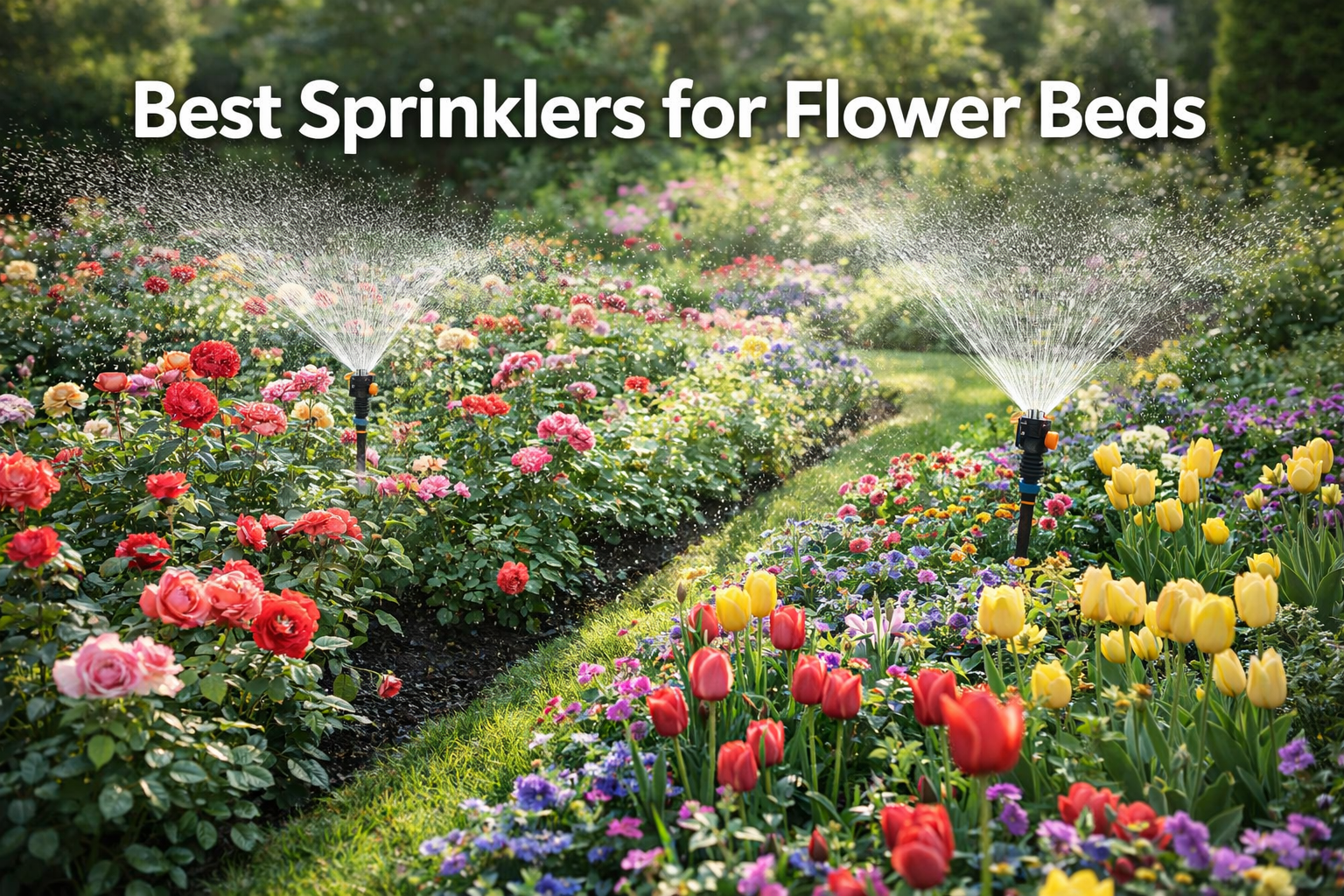
Best Sprinklers for Flower Beds
Watering your flower beds might seem simple, but getting it right can make a huge difference in how your garden looks. Too little water, and your blooms droop; too much, and you risk overwatering or even killing your plants. That’s where the right sprinkler comes in.
A good sprinkler doesn’t just save time it makes sure every flower gets the water it needs, evenly and efficiently. Whether you’ve got a small patch of colorful annuals or a larger garden with all kinds of blooms, picking the right sprinkler can take the guesswork out of watering. In this guide, we’ll break down the best sprinklers for flower beds, what to look for, and a few tips to keep your flowers thriving all season long.
Why Sprinkler Choice Matters for Flower Beds
Picking the right sprinkler for your flower beds might seem simple, but it actually makes a huge difference in how your garden grows and thrives. Let’s break down why it matters:
Watering efficiency: Not all sprinklers are created equal. Some sprinkle water unevenly, leaving certain areas drenched while others barely get a drop. This can waste water and harm plants that don’t get enough hydration. A well-chosen sprinkler ensures even coverage across the entire flower bed, making every drop count. Efficient watering also saves you time you won’t have to run back and forth trying to cover missed spots.
Plant health: Overwatering or underwatering can stress your plants, stunt growth, or even cause diseases like root rot and fungal infections. Using the right sprinkler helps you deliver water directly to where it’s needed, keeping roots healthy and flowers blooming. Proper irrigation also encourages strong, deep root systems, which makes plants more resilient during dry spells.
Soil considerations: Your soil type affects how water is absorbed. Sandy soils drain quickly, meaning your flowers might need more frequent watering, while clay soils hold water longer but are prone to puddling. Certain sprinklers, like drip irrigation or soaker hoses, work better for slow absorption in clay, while oscillating or rotary sprinklers are ideal for sandy soil that dries faster. Choosing a sprinkler that matches your soil type helps avoid overwatering, runoff, and plant stress.
If you want to get it right without the guesswork, hiring a professional Sprinkler Installation Wayland ensures your system is perfectly positioned for even coverage, saving water and keeping your flower beds looking their best all season long.
Types of Sprinklers for Flower Beds
Choosing the right type of sprinkler can make all the difference when it comes to keeping your flower beds healthy and vibrant. Here’s a detailed look at the most popular options:
Oscillating Sprinklers
Oscillating sprinklers move back and forth in a rectangular pattern, making them ideal for long, narrow, or rectangular flower beds. They provide even coverage across the entire area, preventing dry spots and water pooling. Most models allow you to adjust the width and length of the spray, giving you precise control over how much water your flowers receive. They’re perfect for smaller gardens or beds where uniform coverage is key.
Rotating/Rotary Sprinklers
Rotary sprinklers spin in a circular motion, distributing water evenly over large areas. They’re great for bigger or irregularly shaped flower beds, as you can adjust the spray radius and angle to suit your garden layout. These sprinklers are efficient, helping you reach every corner without wasting water. If you’re planning a professional setup, a Rotary Sprinkler Installation can ensure optimal placement and coverage.
Soaker Hoses
Soaker hoses deliver water slowly and directly into the soil along their entire length, making them ideal for deep watering. This method reduces evaporation and prevents water from running off the bed, ensuring that plant roots get the moisture they need. Soaker hoses are easy to install and work well for dense flower beds or areas with delicate blooms that don’t respond well to overhead watering.
Drip Irrigation
Drip irrigation is the most precise watering method, releasing water directly to the base of each plant. This helps conserve water, reduces weed growth, and keeps foliage dry—perfect for delicate flowers prone to fungal diseases. Drip systems can be tailored to the exact needs of your garden, and professional Drip Irrigation System Installation ensures the setup is efficient and low-maintenance.
Impact Sprinklers
Impact sprinklers are heavy-duty and designed for larger gardens. They deliver water with strong, rotating jets that can cover a wide radius, making them ideal for expansive flower beds or mixed garden areas. These sprinklers are durable, adjustable, and can handle high water pressure, making them a long-lasting solution for serious gardeners.
Conclusion
Keeping your flower beds healthy and vibrant doesn’t have to be complicated. The right sprinkler makes all the difference—ensuring your plants get consistent, even watering without wasting water or effort. From oscillating sprinklers for smaller rectangular beds to drip irrigation for delicate flowers, each type has its own benefits depending on your garden’s size, layout, and soil type.
Investing in the right system, and getting it properly installed, can save you time, water, and stress while giving your flowers the care they deserve. Whether you choose a Rotary Sprinkler Installation or a Drip Irrigation System Installation, the key is planning for coverage, efficiency, and plant health. With the right sprinkler setup, your flower beds will flourish, bloom longer, and stay lush all season long—making your garden a space you can truly enjoy.
Leave A Comment